


Agriculture is changing rapidly. Farmers and processors are no longer focused solely on producing larger harvests. Today, the emphasis is on extracting maximum value from every ton of raw material. This shift has encouraged many agricultural businesses to explore technologies that can improve product quality, reduce waste, and create new revenue streams.
Cassava is a perfect example of this trend. As one of the most widely cultivated starch crops in tropical regions, cassava offers enormous commercial potential. Yet a large percentage of harvested cassava is still sold in low-value forms, limiting profitability for producers and processors alike.
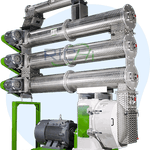
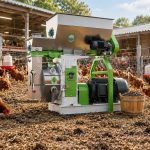
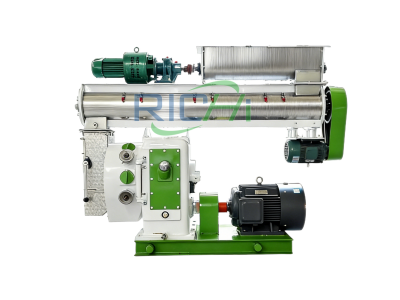
Pellet production is changing that reality. By transforming cassava into a standardized, durable product, businesses can access new markets while improving operational efficiency. This is one of the key reasons why demand for the cassava pellet press continues to grow among feed manufacturers, agricultural cooperatives, and processing companies around the world.
The Hidden Challenges of Raw Cassava
Although cassava is highly productive, it presents several logistical challenges.
Fresh roots contain a large amount of water, making them heavy and expensive to transport over long distances. Once harvested, deterioration begins quickly, creating pressure to process or sell the crop within a short period.
Storage can also be problematic. Improper handling may result in spoilage, mold development, and quality losses. These factors reduce overall profitability and increase operational risks.
For processors seeking long-term stability, simply selling raw cassava often fails to maximize the crop’s economic value.
This situation has encouraged many businesses to invest in modern processing technologies capable of creating higher-value products.
Why Pellets Offer a Better Solution
Pelletization transforms loose cassava materials into compact cylindrical pellets with improved physical characteristics.
The process offers several advantages:
- Greater product density
- Improved storage performance
- Reduced transportation costs
- Better resistance to handling damage
- Enhanced product consistency
These benefits allow producers to market cassava more effectively while improving efficiency throughout the supply chain.
Unlike raw materials that vary significantly in appearance and moisture content, pellets provide a uniform product that is easier for buyers to handle and utilize.
The Science Behind Pellet Formation
Many people assume pellet production simply involves compressing material into a different shape. In reality, several important physical changes occur during the process.
Cassava particles are subjected to pressure, friction, and controlled moisture conditions. As material moves through the die, natural starches help bind particles together.
Steam conditioning often improves this process by softening the material before compression.
The resulting pellets are stronger, denser, and more durable than the original raw material.
These characteristics are particularly important for commercial feed manufacturers that require consistent ingredients for automated production systems.
Supporting Modern Livestock Production
The livestock industry increasingly depends on efficient feed ingredients that can be stored, transported, and processed with minimal losses.
Cassava pellets help meet these requirements.
Their uniform size simplifies handling and mixing procedures. Higher density reduces storage requirements, while lower dust levels improve workplace conditions and reduce product loss.
For large feed operations, these advantages can generate meaningful cost savings over time.
As a result, pelletized cassava has become an attractive option for poultry, cattle, pig, and sheep feeding programs in many agricultural regions.
Reducing Waste Through Better Resource Utilization
One of the most significant advantages of pellet production is its ability to support resource efficiency.
Various cassava-related materials can be utilized during production, including:
- Cassava chips
- Cassava flour
- Processing residues
- Starch by-products
- Certain agricultural blends
Rather than discarding these materials, processors can convert them into useful commercial products.
This approach aligns with modern sustainability goals and helps improve profitability at the same time.
Agricultural businesses increasingly recognize that waste reduction and revenue generation often go hand in hand.
A Flexible Technology for Multiple Industries
Pellet production is not limited to a single market.
Depending on formulation and production settings, facilities can manufacture products for several industries.
Feed production remains the largest application, but other opportunities continue to emerge.
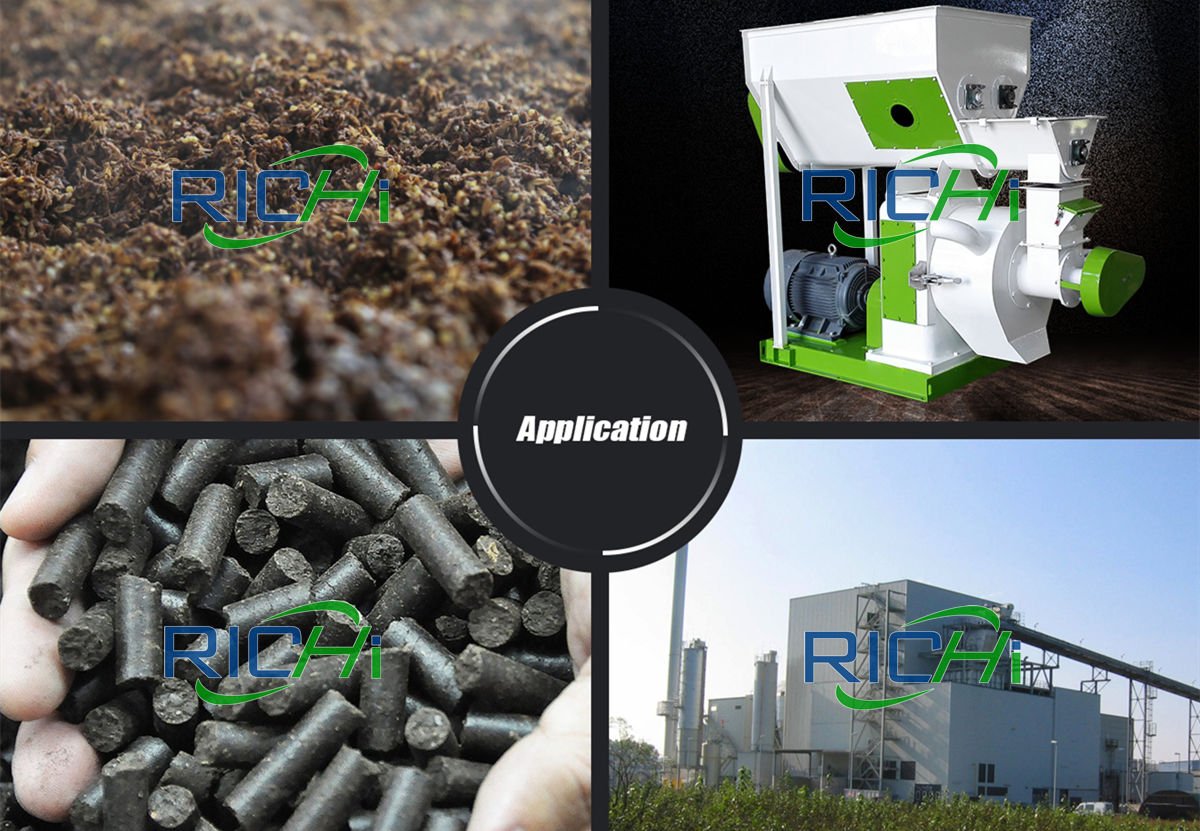
Organic fertilizer manufacturers often use pelletizing technology to improve handling characteristics and product appearance.
Biomass fuel producers also rely on pellet technology to create dense renewable energy products.
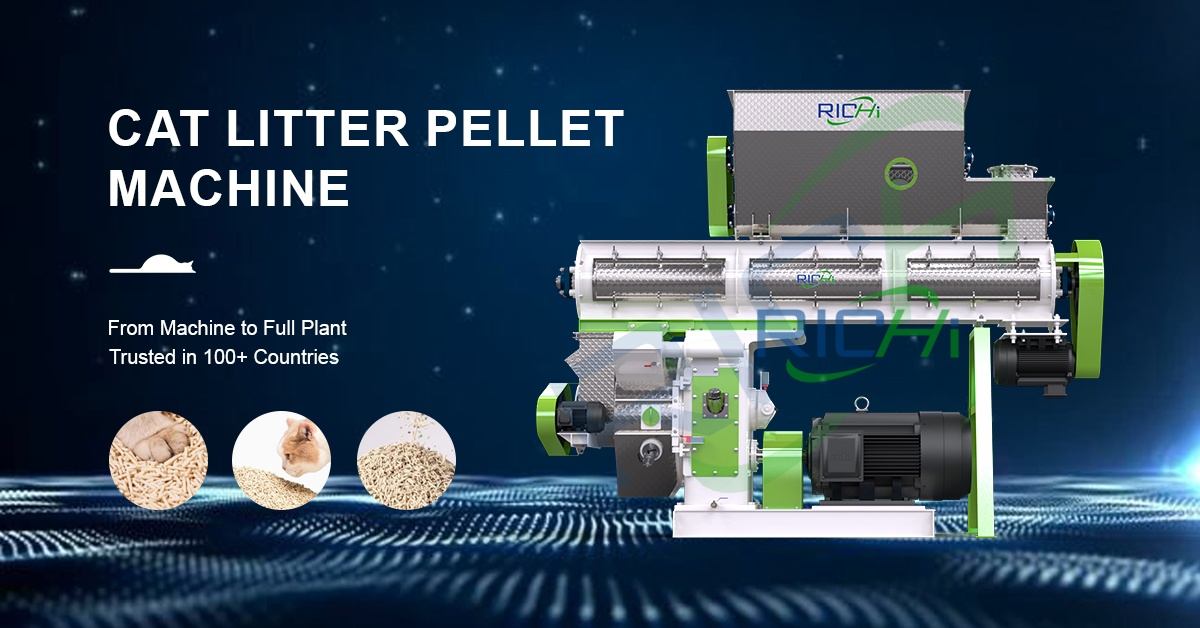
Some facilities even diversify into pet industry applications such as absorbent litter products.
This flexibility allows businesses to adapt more easily to changing market conditions.
The Importance of Choosing Reliable Equipment
Successful pellet production depends heavily on equipment quality.
A well-designed machine provides:
- Stable operating performance
- Consistent pellet quality
- Lower maintenance requirements
- Improved energy efficiency
- Longer service life
Investors often evaluate technical specifications carefully before selecting a supplier.
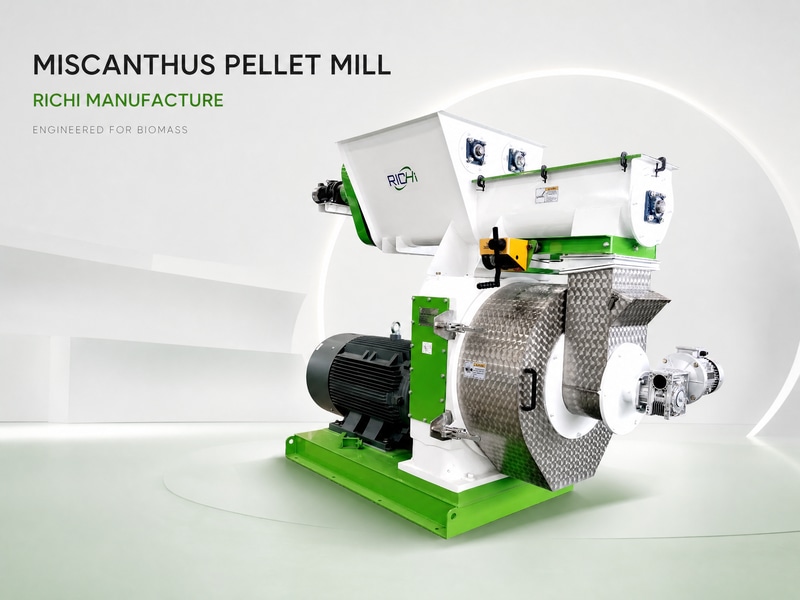
Companies seeking proven manufacturing experience frequently review solutions offered by Richi manufacture, particularly when planning medium- or large-scale pellet production projects.
Equipment reliability becomes increasingly important as production volumes grow and operational downtime becomes more costly.
Opportunities Beyond Cassava
Many processors eventually expand beyond a single raw material.
Facilities designed for flexibility may process different agricultural materials throughout the year, helping maximize equipment utilization.
Examples include:
- Crop residues
- Agricultural by-products
- Energy crops
- Biomass materials
Some businesses integrate additional technologies such as a 10 tph straw pellet mill to broaden their product portfolio and create multiple revenue streams.
This diversification strategy can help stabilize income while reducing dependence on any single commodity market.
Export Potential and International Demand
Global demand for pelletized agricultural products continues to expand.
International buyers often prefer pellets because they are easier to transport and store than loose materials.
Standardized pellets also simplify quality control procedures and improve supply chain efficiency.
Countries with strong cassava production sectors may find attractive opportunities in export markets where buyers value consistency and reliable delivery.
As transportation networks improve and international trade continues to grow, pellet products are becoming increasingly competitive on a global scale.
Technology Trends Shaping the Industry
Modern pellet plants increasingly incorporate advanced technologies to improve productivity.
Automation systems can monitor operating conditions in real time and adjust production parameters automatically.
Data collection tools help operators identify efficiency improvements and reduce maintenance costs.
Energy-saving designs are also becoming more common as processors seek to lower operating expenses.
These innovations contribute to higher productivity and improved profitability across the industry.
Businesses interested in emerging developments often follow industry publications and technical resources that provide detailed explanation of new processing technologies and equipment innovations.
Building Long-Term Agricultural Value
Agricultural success increasingly depends on value creation rather than simple production volume.
The ability to transform raw materials into premium products can significantly improve business performance.
Pellet production supports this objective by enhancing product quality, reducing waste, improving logistics, and opening access to additional markets.
For cassava producers, these benefits can create a substantial competitive advantage.
Instead of selling a perishable raw commodity, businesses gain the ability to market a durable, transportable, and commercially attractive product.
This shift often leads to stronger margins and greater resilience during market fluctuations.
Additional industry insights and processing examples can be found through go to website resources that focus on agricultural innovation and pellet production strategies.
Conclusion
The future of agricultural processing lies in technologies that maximize value while improving efficiency.
Cassava pellet production represents a practical example of this approach. By converting raw cassava into a standardized and durable product, processors can reduce losses, improve logistics, expand market opportunities, and increase profitability.
As demand for efficient agricultural products continues to rise, pellet production is expected to play an increasingly important role in modern agribusiness. For producers seeking sustainable growth, investing in advanced pellet processing technology may prove to be one of the most valuable decisions they can make.
Related Post:https://pelletizerequipment.com/animal-feed-pellet-mill-for-sale/