

Every year, global agricultural activities generate over one billion tons of organic waste, including rice straw, wheat stalks, corn residues, rice husks, and sugarcane bagasse. For centuries, these massive agricultural by-products were dismissed as worthless waste. Farmers traditionally disposed of surplus crop residues through open burning, random stacking, or land burial, triggering severe air pollution, soil degradation, water contamination, and irreversible resource waste. Against the backdrop of global carbon neutrality goals and the urgent transition to renewable energy, agricultural waste has undergone a fundamental value transformation. Through standardized collection, professional pretreatment, and mechanical molding technology, idle agricultural waste can be fully converted into high-value, clean, and efficient biomass fuel. In this industrial upgrading process, specialized molding equipment represented by the straw pellet press serves as the core technological pillar, enabling the critical transformation from scattered, useless farm residues to standardized, usable green energy. This paper comprehensively analyzes the scientific principles, complete processing workflow, core equipment functions, and multi-dimensional values of agricultural waste fuel conversion, illustrating how traditional farm waste becomes a vital component of the modern renewable energy system.
The conversion of agricultural waste into high-quality biomass fuel relies on the unique physical and chemical properties of crop residues. Unlike non-combustible inorganic waste, agricultural residues are rich in cellulose, hemicellulose, and lignin, natural organic components with stable calorific value and excellent combustion characteristics. The direct utilization of raw agricultural waste is severely restricted by its inherent structural defects. Unprocessed straw and crop residues feature loose texture, low density, uneven fiber distribution, high natural moisture content, and large stacking volume. These drawbacks result in low combustion efficiency, high transportation and storage costs, frequent mildew and decay, and make large-scale industrial application impossible. Modern biomass processing technology solves these problems thoroughly through pure physical modification, without adding any chemical additives. It completely retains the clean, low-pollution combustion advantages of original agricultural waste. The entire conversion process is eco-friendly, zero-pollution, and safe, laying a solid foundation for the large-scale promotion and popularization of agricultural waste biomass fuel worldwide.
The industrial conversion of agricultural waste into biomass fuel follows a complete and standardized technical process, which is mainly divided into four core links: raw material collection and pretreatment, drying treatment, mechanical compression molding, and finished product cooling and packaging. Each link is closely connected, and the coordination of multiple processes ensures the quality and stability of the final biomass fuel. The first step is raw material collection and pretreatment. Agricultural waste has the characteristics of scattered distribution and seasonal concentration. Processing enterprises need to collect crop residues from rural planting areas in a centralized manner, and initially screen and crush the raw materials to remove impurities such as soil, stones and dead branches mixed in the waste. Preliminary crushing can break the long fiber structure of straw, which is convenient for subsequent drying and molding processing and improves the uniformity of raw materials.
The second key link is drying treatment, which directly determines the combustion quality and molding effect of biomass fuel. The moisture content of freshly harvested agricultural waste is usually as high as 20% to 30%. Excessive moisture will lead to insufficient combustion, low calorific value, and easy mold growth of finished fuel. Professional drying equipment is used to reduce the moisture content of raw materials to the standard range of 8% to 12%, which is the most suitable moisture condition for biomass fuel molding and combustion. After drying, the raw materials become dry, loose and uniform fiber materials, laying a solid foundation for the subsequent compression and molding process.
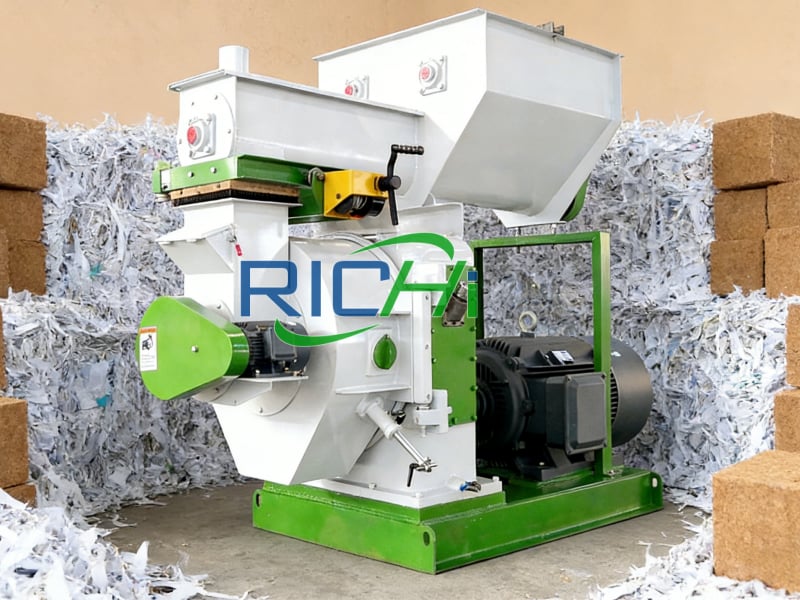
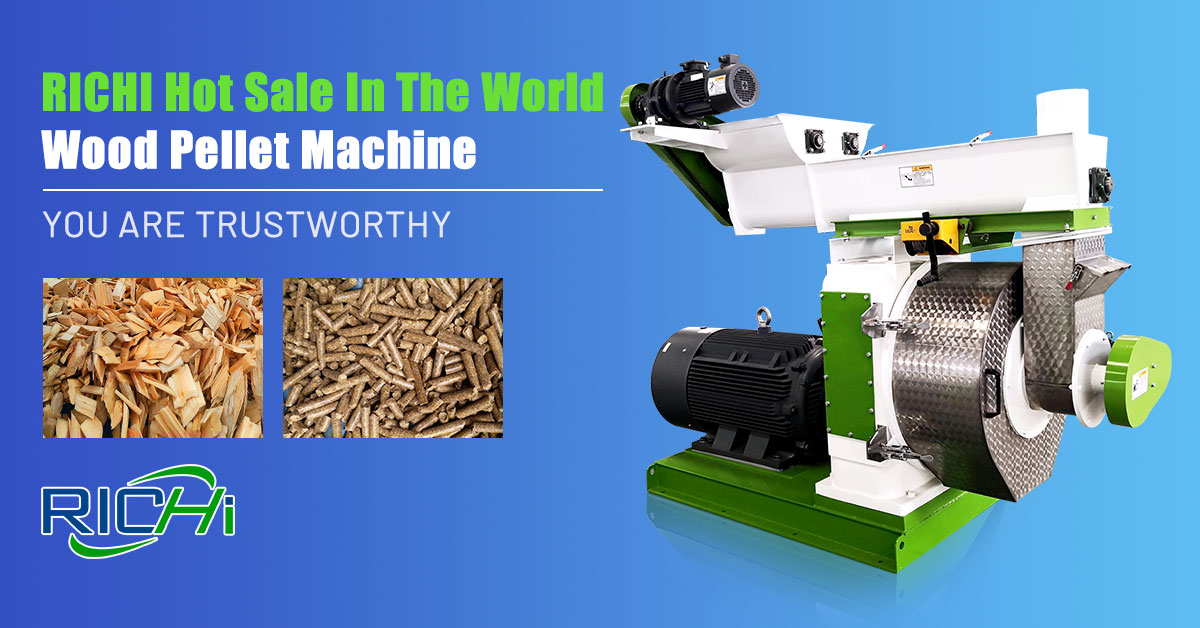
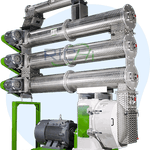
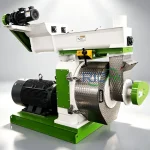
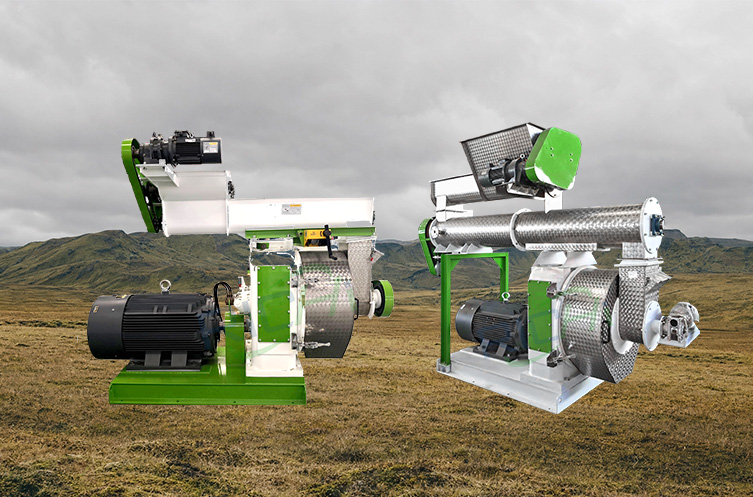
Compression molding is the most critical step in the entire conversion process, and the straw pellet press is the core equipment that determines the molding effect and product quality. The straw pellet press is a special mechanical device designed for the fiber structure of agricultural straw waste. It uses physical pressure to compress loose dried straw fibers into cylindrical solid pellets with uniform size and high density. The working principle of the straw pellet press is simple and efficient: through the high-speed rotation of the pressing roller and the fixed mold, continuous strong mechanical pressure is generated. Under the action of high pressure and slight friction heat, the lignin in the straw fiber softens and adheres naturally, making the scattered fiber materials tightly bonded together without any adhesive. After extrusion molding, the straw pellets have high hardness, uniform texture and not easy to break, completely solving the problems of loose texture and low utilization rate of original agricultural waste.
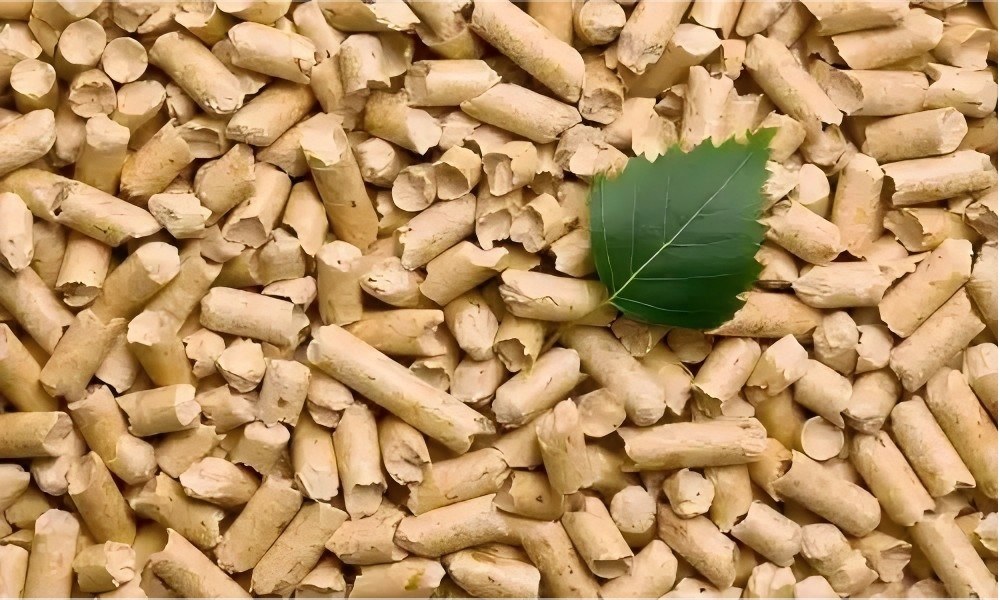
The final link is cooling and packaging of finished products. The temperature of the pellets just extruded by the straw pellet press is relatively high, and the texture is slightly soft. After natural cooling or mechanical cooling, the pellets will be completely shaped with higher hardness and stability. Finally, the qualified biomass pellets are screened and packaged in a standardized manner, forming finished biomass fuel that can be stored, transported and sold commercially. Through this complete set of processing procedures, the bulk volume of agricultural waste is compressed by more than 75%, and the energy density is increased by three to five times. The originally scattered, perishable and unusable agricultural waste is successfully transformed into high-density, high-calorific-value, easy-to-store and transport commercial biomass fuel.
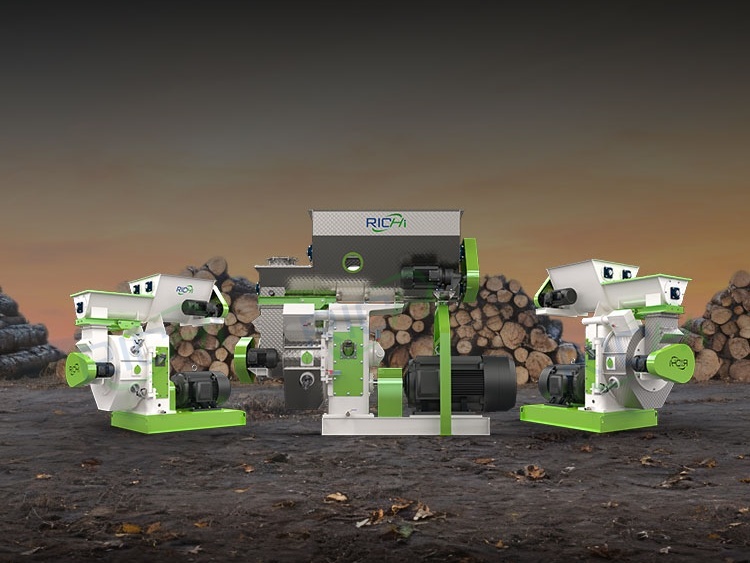
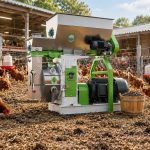
The widespread adoption of the straw pellet press has significantly lowered the technical barriers and operational costs of agricultural waste recycling, greatly accelerating the industrialization of biomass fuel production. In the early stage of the biomass industry, traditional molding machines suffered from prominent flaws, including insufficient working pressure, low molding rates, high energy consumption, frequent blockages, and poor material compatibility. Most conventional equipment was only suitable for hard wood materials and could not adapt to the soft, flexible fiber structure of crop straw. The upgraded and optimized straw pellet press is professionally designed for various agricultural residues such as wheat straw, rice straw, and corn stalks. It boasts strong material adaptability, continuous stable operation, high finished product rate, and low failure and maintenance costs. Equipped with diversified models ranging from small household devices for individual farmers to large automated assembly lines for industrial factories, it fully meets the production demands of decentralized rural processing and centralized large-scale manufacturing, making biomass waste conversion accessible to more investors and rural practitioners.
https://richipelletizer.com/straw-pellet-machine-for-sale
Converting agricultural waste into biomass fuel brings huge value advantages in energy, environment and economy. In terms of energy utilization, processed biomass pellets have stable and efficient combustion performance. The calorific value of qualified straw pellets can reach 3800 to 4200 kilocalories per kilogram, which is close to the calorific value of inferior coal, while the combustion efficiency is far higher than that of raw straw. It can be widely used in industrial boiler heating, biomass power generation, rural civilian heating and commercial catering energy supply. As a renewable clean energy, it makes up for the shortage of fossil energy and optimizes the regional energy structure.
In terms of environmental benefits, this conversion mode realizes the zero-pollution resource utilization of agricultural waste. It completely eliminates the air pollution problem caused by straw burning, and avoids soil and water pollution caused by random stacking and decay of agricultural waste. In addition, biomass fuel is a typical carbon-neutral energy source. The carbon dioxide released during combustion is equivalent to the carbon absorbed by crops during growth, which will not increase the total carbon emissions in the atmosphere. Meanwhile, the sulfur and nitrogen content of agricultural waste pellets is extremely low, and almost no harmful gas is produced during combustion. The tiny ash residue after combustion can also be recycled as organic fertilizer to return to the field, forming a closed-loop ecological cycle of “planting-waste-processing-returning to the field”.
Economically, the transformation of agricultural waste into biomass fuel activates idle rural resources and creates new industrial profit points. For farmers, the originally worthless crop residues can be sold to processing enterprises to obtain additional income, saving the labor cost of waste disposal. For investors and processing enterprises, raw material resources are widely available and low-cost, and the operation cost of the straw pellet press and other supporting equipment is low, with a short investment return cycle. The processed biomass fuel has stable market demand and wide application fields, with both domestic civilian and industrial markets and overseas export markets, bringing sustainable and stable economic benefits. At the same time, the biomass fuel processing industry drives the development of supporting industries such as raw material collection, transportation, equipment maintenance and fuel sales, and provides a large number of local employment positions for rural surplus labor, boosting rural economic development and rural revitalization. (Going Here)
From a long-term industrial perspective, agricultural waste biomass conversion technology continues to mature, and the supporting equipment system is constantly optimized and upgraded. Modern straw pellet press devices are evolving toward energy conservation, intellectualization, and high efficiency. New structural designs effectively reduce unit power consumption and production failure rates, greatly improving overall production efficiency and further cutting down manufacturing costs of biomass pellets. Meanwhile, global environmental regulations and carbon emission reduction policies are becoming increasingly stringent, driving continuous growth in market demand for clean biomass fuel. As fossil fuel prices fluctuate and green energy substitution policies are fully implemented, the market prospect of agricultural waste biomass fuel becomes increasingly broad and stable.
In conclusion, converting agricultural waste into valuable biomass fuel is a mature, sustainable circular economy model that effectively turns waste into reusable resources. With the support of standardized pretreatment, scientific drying treatment, and core molding technology based on the straw pellet press, scattered, low-value agricultural residues are successfully upgraded into high-efficiency, clean, and commercially viable renewable fuel. This conversion model fundamentally solves the environmental pollution and resource waste caused by traditional straw disposal methods, realizes full-cycle utilization of agricultural resources, and delivers remarkable energy, environmental, economic and social benefits. It optimizes regional energy structures, promotes local rural employment and income growth, and strongly supports global carbon reduction and sustainable development goals. With the continuous technological iteration of processing equipment and the improvement of the industrial chain, agricultural waste biomass fuel will gain wider application, becoming an indispensable green energy source for future agricultural development and global energy transformation.