
Walk into any dairy or beef operation, and you’ll find it everywhere. In the holding pens, behind the barns, spread across the fields—cow manure is one of the most abundant byproducts of livestock farming. For generations, it’s been treated as a disposal problem, something to be scraped up, stored, and eventually spread onto fields, often with more concern for getting rid of it than for maximizing its value.
But cow dung is far more than waste. It’s a complex organic material that contains the essential building blocks of plant nutrition. Properly processed, it becomes one of the most effective soil amendments available—a slow-release fertilizer that feeds plants, builds soil structure, and supports the microbial life that makes soil productive. The challenge has always been capturing that value in a form that’s practical to handle, store, and apply.
Modern processing technology has changed that equation. Today, farmers can take raw manure and transform it into a concentrated, uniform product that’s easy to transport, apply precisely, and sell for a premium price. The science behind this transformation is straightforward, the technology is proven, and the benefits extend far beyond the farm gate.
View more:https://pelletizerextruder.com/cow-dung-pellet-making-machine/
The Composition of Cow Dung
To understand why cow dung is valuable, it helps to understand what’s actually in it. Fresh cow manure is roughly 80% to 90% water. The remaining 10% to 20% is solids, and that solid fraction is where the value lies.
The solid portion contains three primary nutrients essential for plant growth. Nitrogen, which promotes leafy growth and protein formation, typically ranges from 0.5% to 1.5% of the wet weight. Phosphorus, essential for root development and flowering, ranges from 0.2% to 0.5%. Potassium, which supports overall plant health and disease resistance, ranges from 0.5% to 1.0%. These percentages don’t sound high, but when applied over large areas, they add up to significant nutrient contributions.
Beyond these macronutrients, cow dung contains calcium, magnesium, sulfur, and a range of micronutrients. It also contains organic matter—the decomposed and decomposing plant material that passed through the animal. This organic matter improves soil structure, water-holding capacity, and cation exchange capacity, which is the soil’s ability to hold onto nutrients and make them available to plants.
The nutrient content of cow dung varies based on the animal’s diet, age, and health, as well as how the manure is handled and stored. Manure from animals fed high-quality forage and grain will generally have higher nutrient levels than manure from animals on poorer diets. Manure that’s been stored and allowed to decompose will have different characteristics than fresh manure.
Why Raw Manure Presents Challenges
Despite its nutritional value, raw cow dung is difficult to use effectively. The high water content makes it heavy to transport. A ton of fresh manure contains hundreds of kilograms of water, so when you haul manure to a field, you’re mostly hauling water. This makes it expensive to move any significant distance from where it’s produced.
Raw manure is also inconsistent. The nutrient content varies from batch to batch and from one part of the pile to another. This inconsistency makes it difficult to apply at rates that meet crop needs without overapplying or underapplying nutrients. Overapplication can lead to nutrient runoff and water pollution; underapplication results in poor crop yields.
Pathogens and weed seeds are another concern. Fresh manure can contain harmful bacteria and viable weed seeds. Applying it to fields without proper treatment can introduce these problems to the soil. While proper composting can address many of these issues, composting takes time and space.
The odor is a constant challenge. The decomposition of manure releases ammonia, hydrogen sulfide, and other compounds that produce the familiar smell. In areas near residential development, odor complaints can be a significant problem.
The Technology That Unlocks the Value
Processing cow dung into a stable, concentrated product addresses all of these challenges. The technology for doing this has been refined over decades, and modern equipment makes the process efficient and reliable.
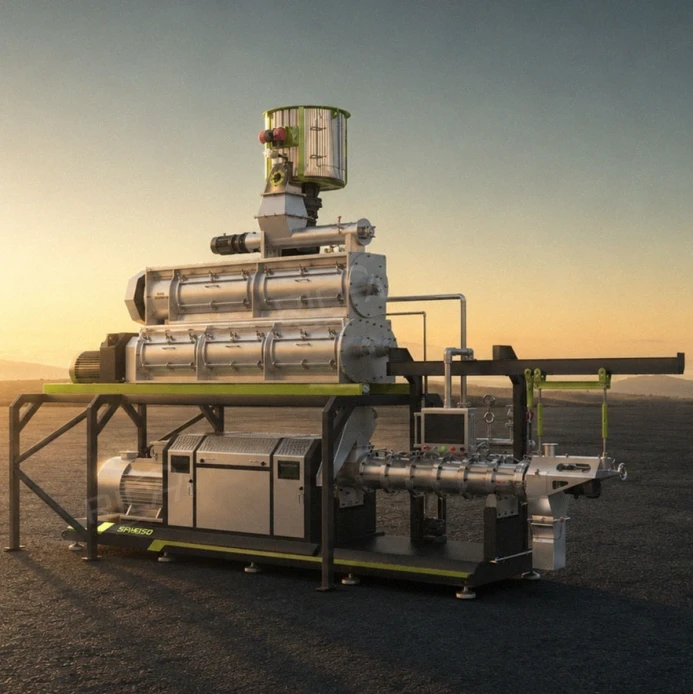
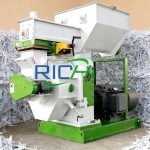
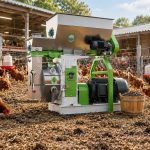
At the heart of the processing system is a cow dung fertilizer machine. This equipment transforms the raw manure into finished fertilizer pellets. But before the manure reaches the pellet machine, it must go through several preparation steps.
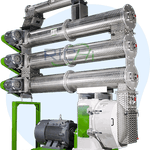
Drying is the first critical step. The moisture content of fresh manure must be reduced from 80% to 90% down to about 12% to 15% for effective pelleting. This can be done using mechanical dryers, which are energy-intensive but consistent, or by using solar drying, which relies on sun and wind.
Once dried, the manure is ground to a uniform particle size. This creates a consistent material that flows smoothly through the pellet machine and produces pellets of uniform quality. The grinding step also breaks up any lumps and ensures that the material is homogeneous.
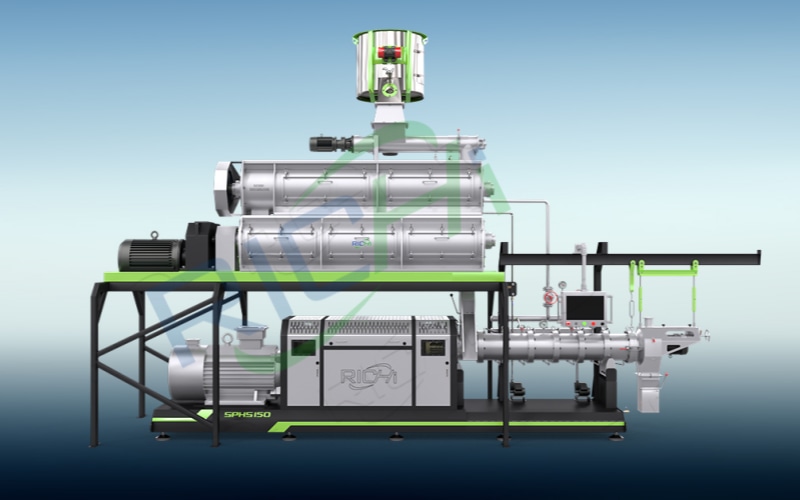
The ground material may then go through a conditioning process where steam and moisture are added. This softens the fibers and activates the natural binders in the manure, preparing it for compression.
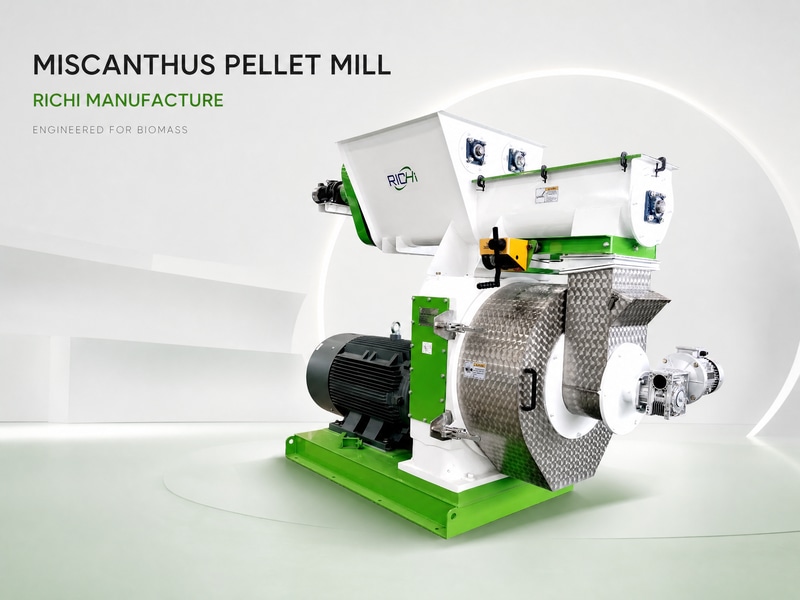
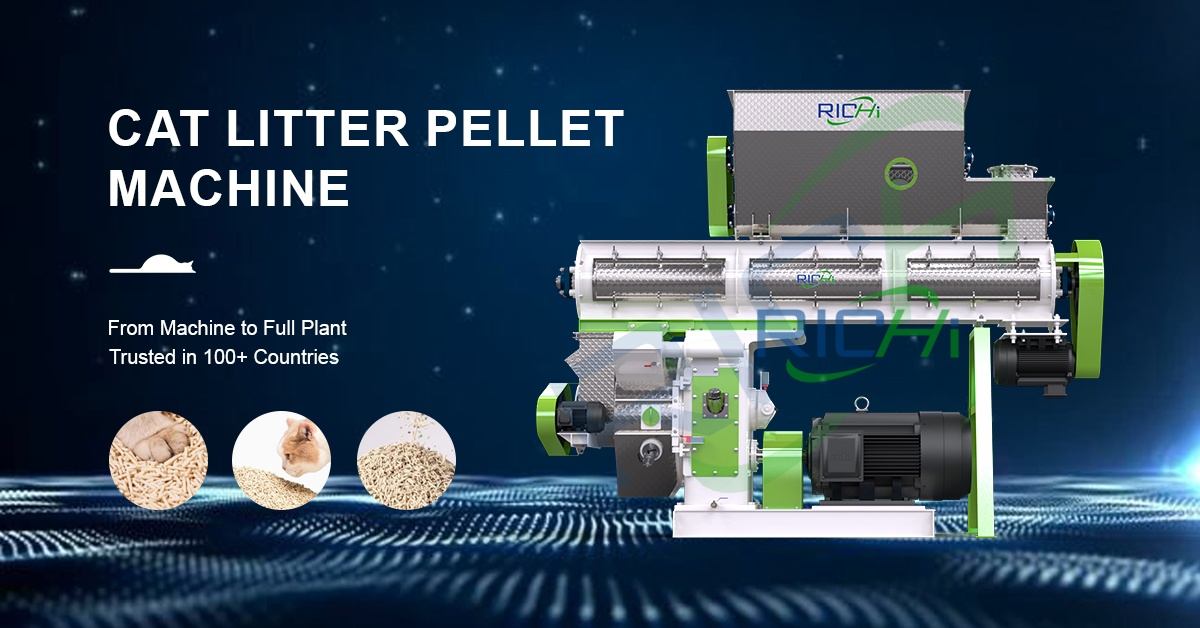
The conditioned material enters the pellet machine, where it’s forced through holes in a metal die. The pressure and friction generate heat, which melts the natural lignin and other binders, creating a solid, dense pellet. The pellets emerge from the die and are cut to length. After cooling, the pellets are ready for packaging or storage.
The Science of Nutrient Preservation
One of the key scientific questions in manure processing is how to preserve the nutrients during drying and pelleting. Nitrogen, in particular, is volatile and can be lost as ammonia during heating.
Processing methods are designed to minimize these losses. Careful temperature control during drying prevents excessive nitrogen volatilization. The quick heating during pelleting, followed by rapid cooling, minimizes nutrient degradation. The final product retains most of the nutrients that were present in the original manure.
The physical form of the pellets also helps preserve nutrients. The dense, waterproof surface of the pellet protects the nutrients inside from leaching and volatilization. When the pellet is applied to soil, moisture gradually penetrates it, releasing nutrients slowly over time. This slow-release characteristic matches plant uptake patterns better than many synthetic fertilizers, reducing the risk of nutrient runoff.
The Benefits of Pelleted Manure Fertilizer
Pelleted manure offers several advantages over raw manure. The concentration of nutrients reduces the volume of material that must be transported. A given volume of pellets contains many times the nutrients of the same volume of raw manure, making it economical to ship longer distances.
The uniform pellet size allows for precise application with standard fertilizer spreaders. Farmers can calibrate their equipment to apply a specific rate of nutrients, just as they would with synthetic fertilizer. This precision reduces waste and ensures that crops receive the nutrients they need.
The pellets are stable and store well. They don’t emit odors like raw manure. They don’t attract flies. They can be stored indefinitely if kept dry. This stability makes them a reliable product that can be produced, stored, and sold year-round.
The nutrient release pattern is favorable. The pellets break down slowly in the soil, releasing nutrients over weeks to months. This matches the uptake pattern of most crops, reducing leaching losses and improving nutrient use efficiency.
The Equipment That Makes the Science Work
Processing cow dung into pellets requires specialized equipment. A cow dung fertilizer machine must handle the abrasive, variable nature of manure without excessive wear.
The die is the most critical component of the pellet machine. It must be made from alloys that resist corrosion from the acids in manure and wear from the abrasive silica and grit. The holes in the die must be precisely machined to ensure consistent pellet diameter and quality.
The rollers that press material through the die must also be durable and precisely fitted. The bearings supporting the rollers must be sealed against the dust and moisture inherent in manure processing. The feeding mechanism must handle sticky material reliably.
The design of the dryer is also important. It must remove water efficiently without overheating the material or causing nutrient losses. Various dryer designs are available, with choices based on energy source, capacity requirements, and the specific characteristics of the manure.
The Role of Automation
Modern processing systems incorporate significant automation. Sensors monitor moisture content, temperature, and flow rates. Control systems adjust drying temperature, feed rate, and other parameters automatically. This automation reduces the labor required and improves consistency.
An automatic biomass pellet machine can operate continuously with minimal operator intervention. The control system manages the entire process from feedstock input to finished pellet output. This automation is particularly valuable for operations processing large volumes of manure.
Automation also improves quality control. Consistent processing conditions produce consistent product quality. This consistency builds customer confidence and commands premium prices.
From Waste to Resource
Across the world, farmers and entrepreneurs are turning cow dung into valuable fertilizer. The demand for organic fertilizer continues to grow, driven by the expansion of organic farming and the desire of conventional farmers to reduce their reliance on synthetic fertilizers.
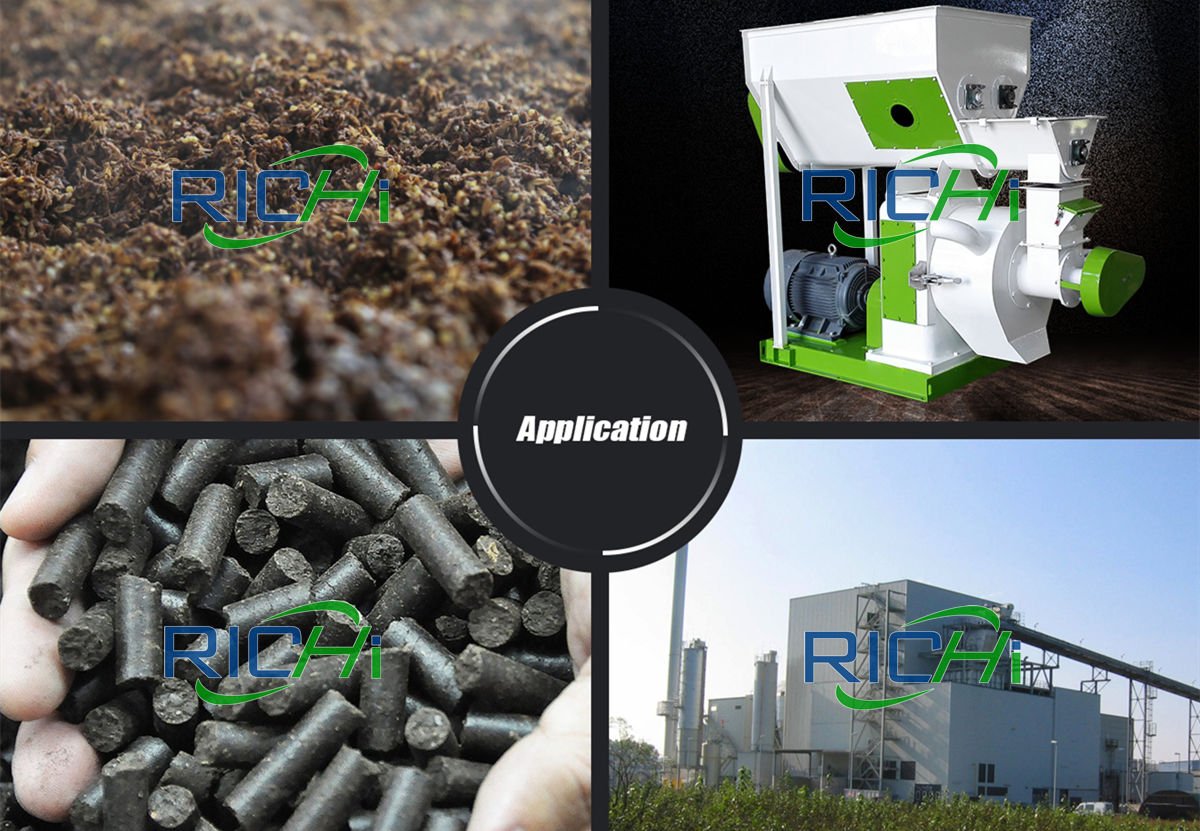
The technology is proven. Richi Machinery has been at the forefront of developing equipment for manure processing, with machines designed specifically for the challenges of agricultural waste. Their systems integrate drying, grinding, conditioning, and pelleting into coordinated lines that produce consistent, high-quality fertilizer.
For more information on processing options and equipment configurations, Going Here to explore the full range of solutions available for turning manure into marketable fertilizer.
A Resource, Not a Problem
Cow dung has been treated as a waste product for too long. The nutrients it contains are valuable, and the organic matter it provides is essential for healthy soil. Processing it into a concentrated, stable product transforms it from a disposal problem into a marketable resource.
The technology is available, the markets are growing, and the economics are compelling. For farmers who produce manure and for entrepreneurs looking to enter the organic fertilizer market, the opportunity is real.