Turning Recovered Paper into a Practical Cat Litter Business
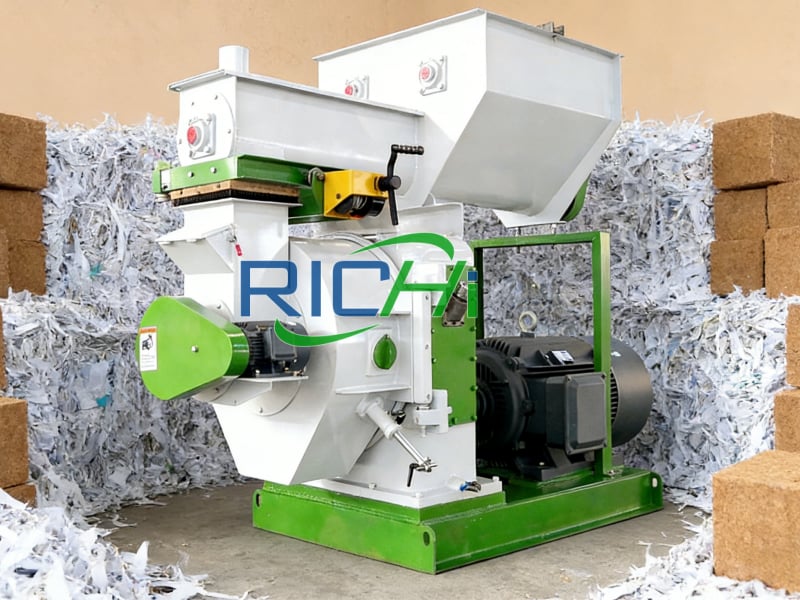
Can Waste Paper Become a Valuable Product for the Pet Care Industry? Waste paper is…
Can Waste Paper Become a Valuable Product for the Pet Care Industry? Waste paper is…
Shrimp feed requires more attention to pellet size and physical stability than many conventional livestock…
Pet ownership is changing across West Africa. In Lagos, Abuja, Accra, and other large cities,…
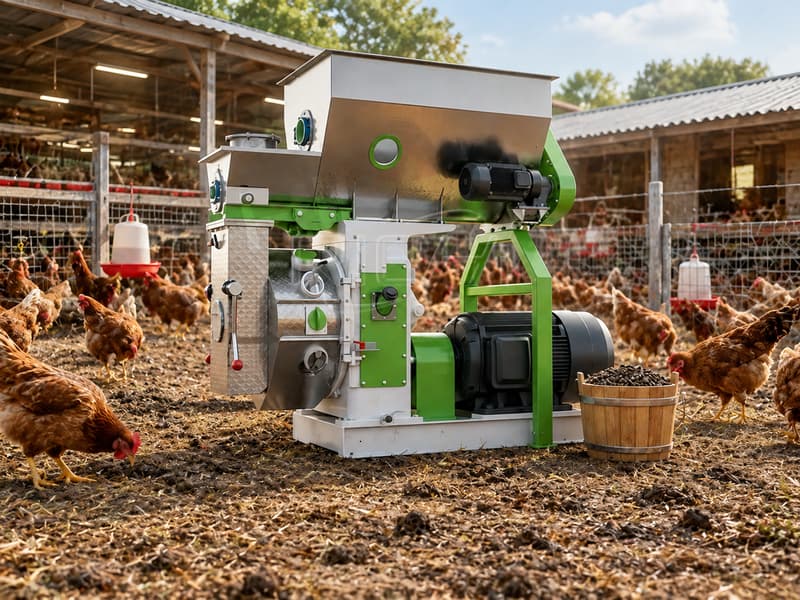
For poultry farms, egg producers, livestock operations, and fertilizer manufacturers, manure is often treated as…
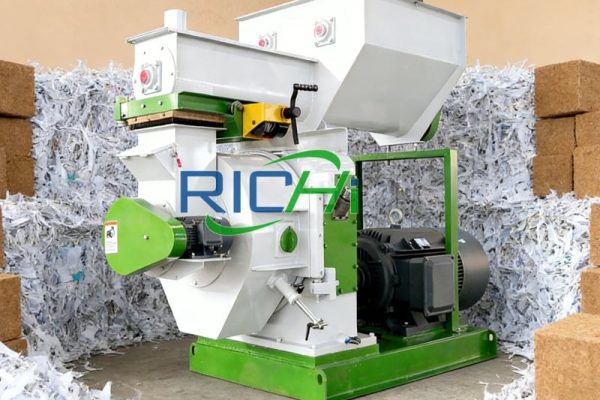
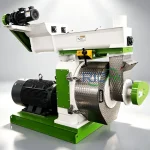
Can Waste Paper Become a Valuable Product for the Pet Care Industry? Waste paper is often treated as a low-value recycling material, but its potential extends well beyond conventional paper recovery. With suitable processing, selected paper fibers can become absorbent granules for pet litter, offering recyclers, entrepreneurs, and pet product manufacturers another way to utilize…
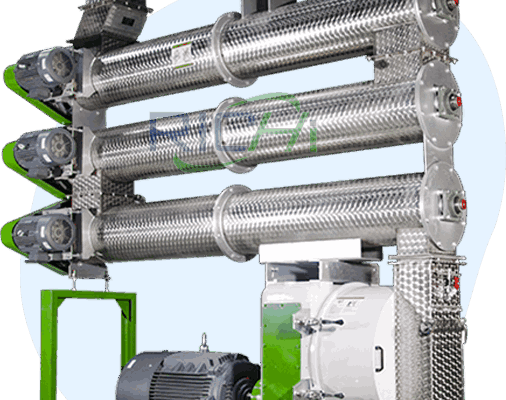
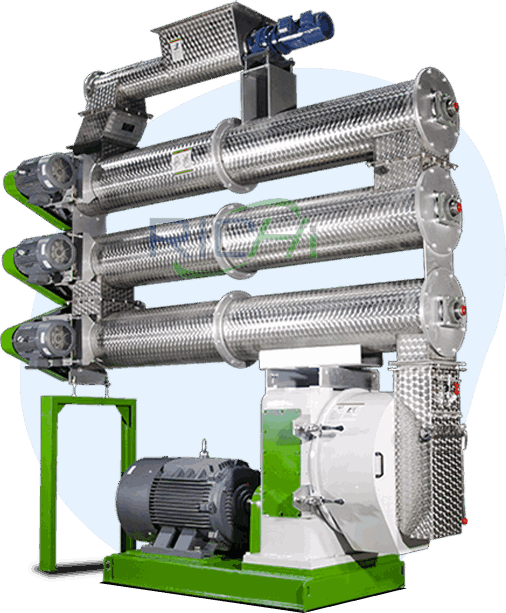
Shrimp feed requires more attention to pellet size and physical stability than many conventional livestock feeds. Small shrimp need appropriately sized particles, while the finished pellets must maintain their structure long enough for the animals to consume them in water. A shrimp feed pellet machine forms prepared feed material into compact pellets after grinding, mixing,…
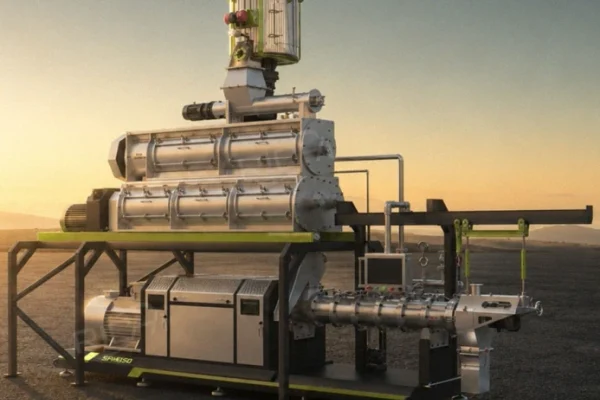
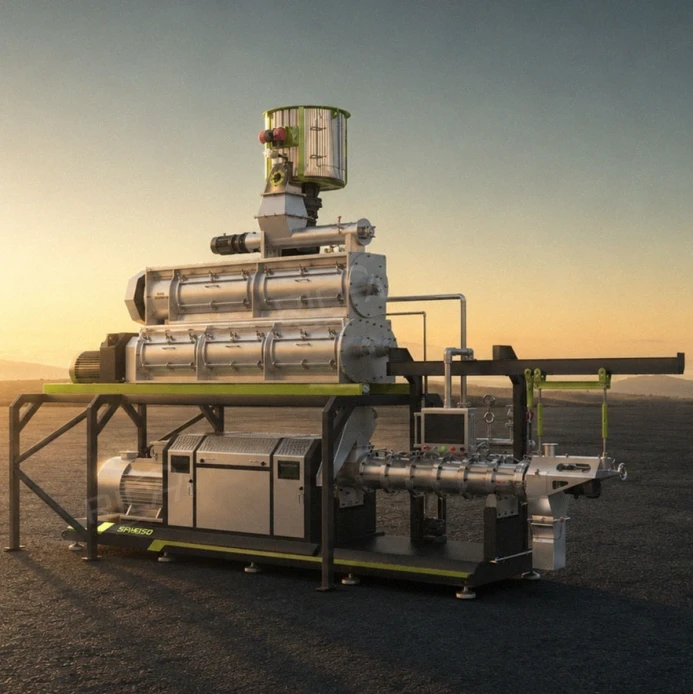
Pet ownership is changing across West Africa. In Lagos, Abuja, Accra, and other large cities, more households are keeping dogs and cats as companion animals. This shift is driven by urbanization, rising incomes, and changing attitudes toward pets. A generation ago, most dogs in the region were kept for security or hunting. Today, a growing…
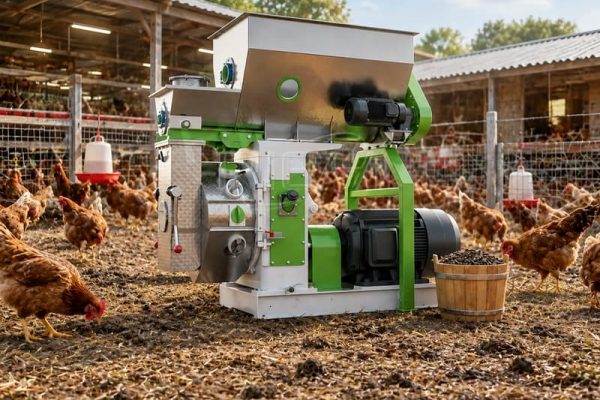
For poultry farms, egg producers, livestock operations, and fertilizer manufacturers, manure is often treated as an unavoidable waste stream. Yet poultry manure contains organic matter and plant nutrients that can be recovered and converted into a useful fertilizer product. The difference between disposal and resource recovery depends largely on how the material is handled, conditioned,…
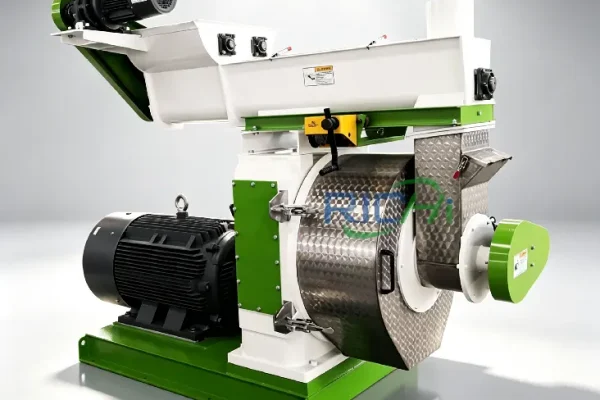
Cow dung is one of the most common organic residues generated by cattle farming. For centuries, farmers in different parts of the world have found ways to reuse it as fertilizer, soil conditioner, fuel, or a raw material for other agricultural products. Today, mechanical processing provides more options for turning loose manure into products that…
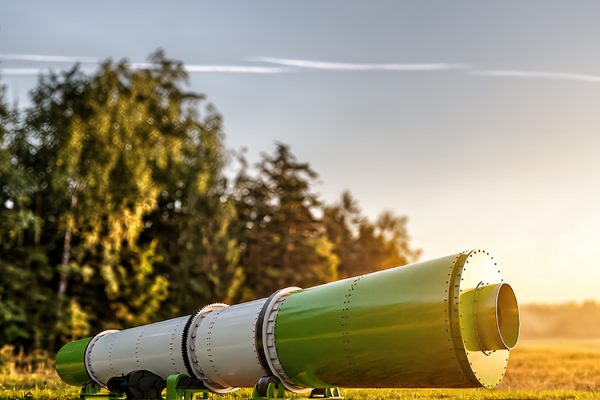
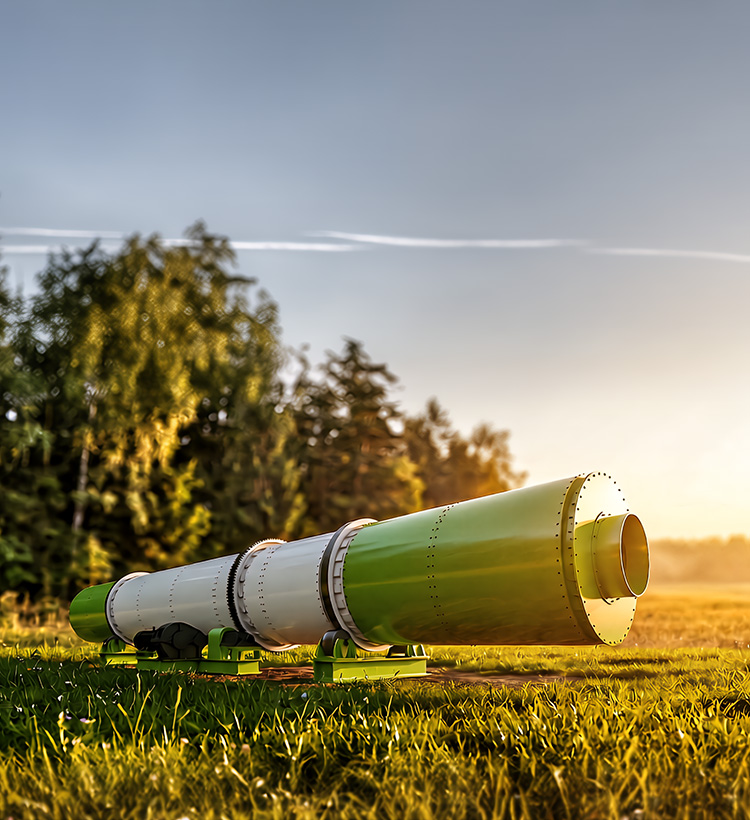
Wood drying is an important process in biomass processing, wood pellet production, briquetting, wood waste utilization, and other applications. Raw materials such as sawdust, wood chips, wood shavings, bark, and forestry residues often contain different levels of moisture. If the moisture content is too high, the material may not be suitable for pelletizing or other…
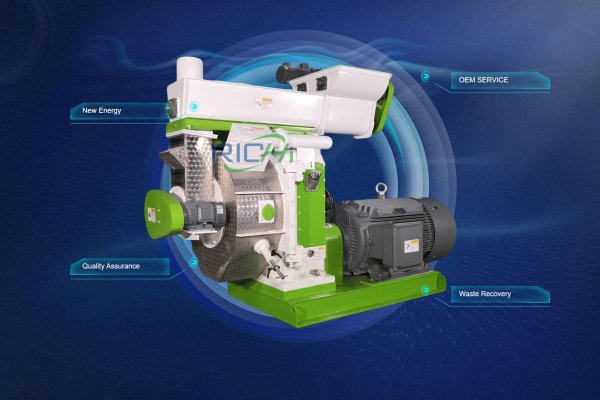
Every livestock farm has one. The pile. It sits behind the barn, growing a little every day, and it never stops. For most farmers, it is a chore—something to be scraped, hauled, spread, or paid to have removed. But a growing number of producers have started looking at that pile differently. They see a product….
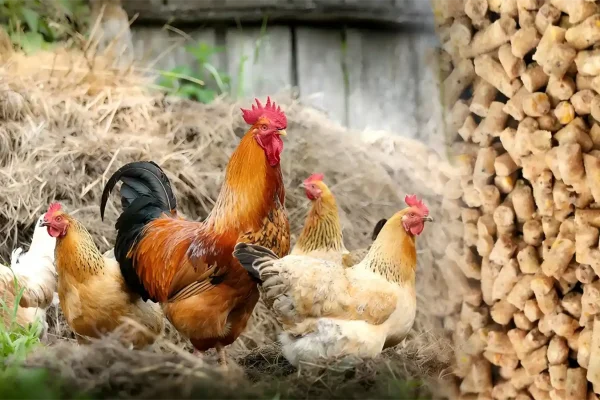
Choosing the right chicken feed pellet production technology is an important decision for poultry feed manufacturers, livestock farms, and investors planning to establish a new feed mill. The right technology can help achieve stable pellet quality, efficient production, controlled operating costs, and flexible production for different chicken growth stages. However, choosing feed pellet technology is…
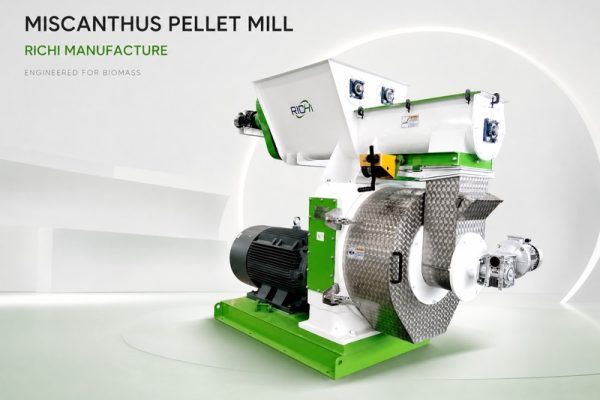
A grass pellet production line is more than a group of machines placed next to each other. Each processing section performs a specific function, and the quality of the final pellet depends on how well these sections work together. For miscanthus-based production, the miscanthus pellet mill is the central forming machine, but successful production starts well…
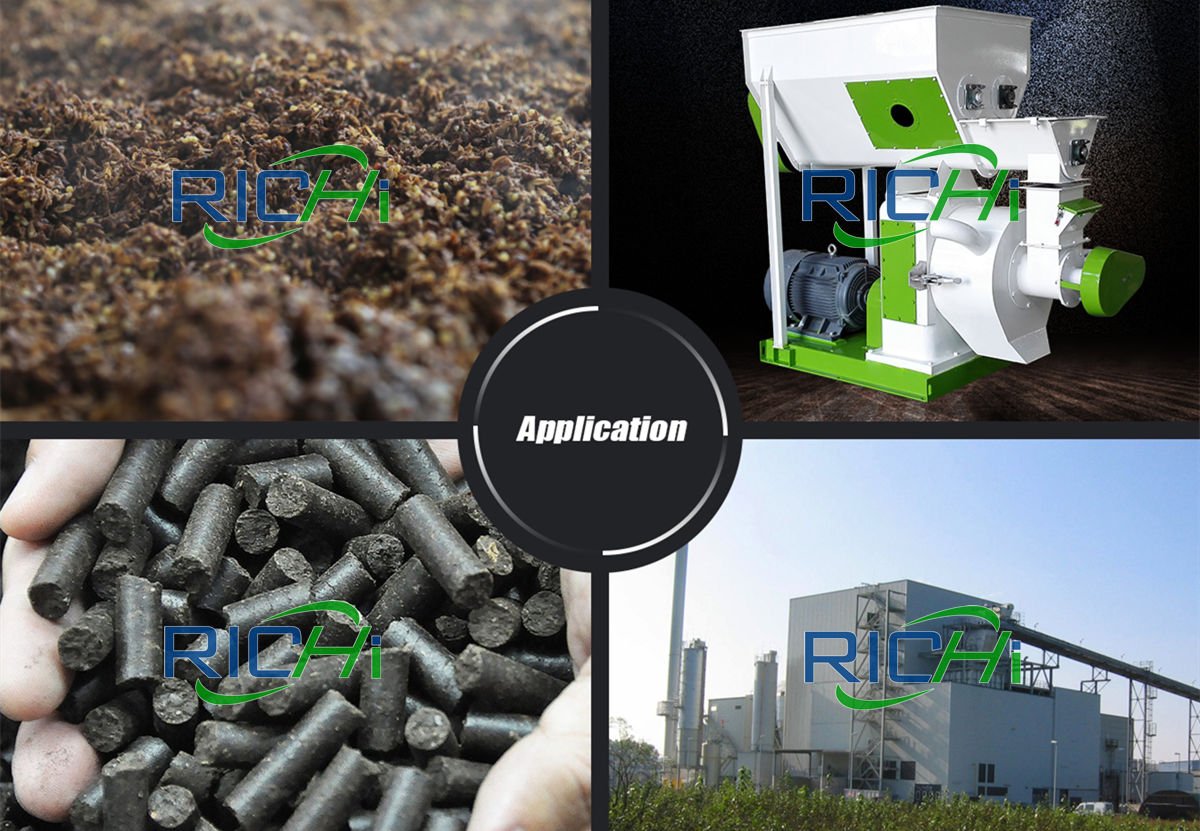
Walk into any dairy or beef operation, and you’ll find it everywhere. In the holding pens, behind the barns, spread across the fields—cow manure is one of the most abundant byproducts of livestock farming. For generations, it’s been treated as a disposal problem, something to be scraped up, stored, and eventually spread onto fields, often…

Please write your message here! We will send detail technical info and quotation to you as soon as possible!