


Across many agricultural regions, enormous quantities of rice husks, peanut shells, sunflower husks, and other crop residues are produced every year. Traditionally, much of this biomass waste was burned openly or discarded, creating environmental problems and wasting valuable energy resources. Today, however, biomass fuel production is transforming agricultural waste into profitable renewable energy products. At the center of this process is the husk pellet machine.
As industries and farms search for cleaner fuel alternatives, husk pellets are becoming increasingly popular for industrial boilers, heating systems, and biomass power plants. Pelletized biomass offers stable combustion performance, easier transportation, and higher energy density compared with loose agricultural waste.
Why Husk Biomass Pellets Are in High Demand
Agricultural by-products contain significant energy value, especially rice husks and similar fibrous materials. In countries with large rice production industries, rice husk waste is generated in massive quantities throughout the year. Instead of treating these materials as waste, manufacturers are converting them into biomass fuel pellets for commercial use.
Pellet fuel has several practical advantages. It requires less storage space, produces more uniform combustion, and improves transportation efficiency. Many industrial users are also shifting toward biomass pellets to reduce dependence on coal and comply with environmental policies.
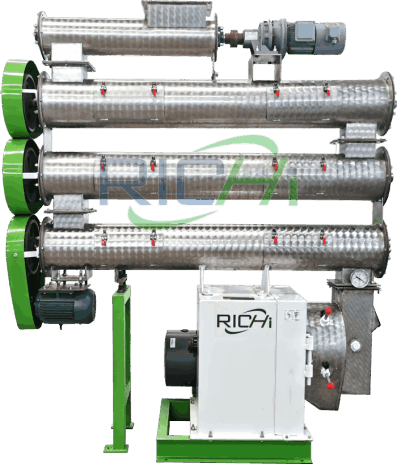
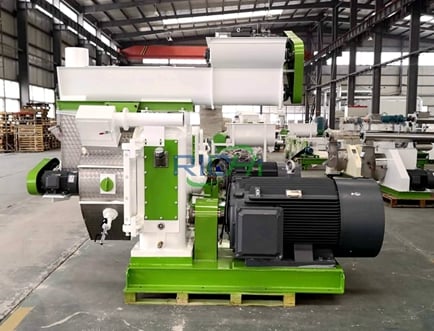
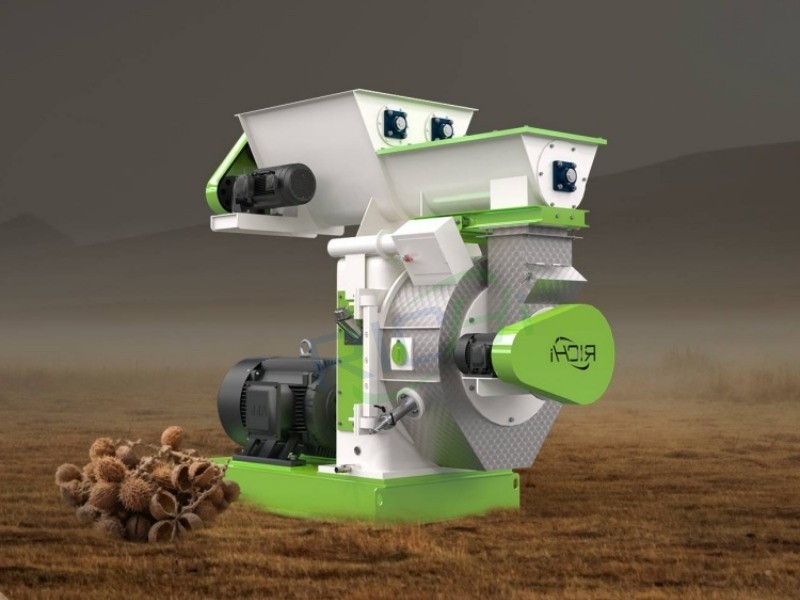
For medium and large biomass fuel projects, the industrial rice husk pellet machine for fuel pellets has become an important solution because it is specifically designed to handle abrasive and high-silica raw materials like rice husks. Advanced pelletizing technology helps maintain stable operation while extending equipment lifespan.
Main Equipment Used in Husk Pellet Production
A complete biomass pellet production system includes several key processing stages. First, raw materials are collected and screened to remove impurities. Depending on moisture levels, drying equipment may be required before pelletizing.
After pretreatment, crushing or grinding equipment ensures consistent particle size for efficient compression. The pellet mill then compresses the husk material under high pressure to form dense fuel pellets. Finally, cooling, screening, and packaging systems prepare the finished pellets for storage and transportation.
Modern pellet plants are increasingly automated to improve production efficiency and reduce labor costs. Intelligent control systems help operators monitor temperature, feeding speed, and pellet quality throughout the manufacturing process.
Advantages of Modern Husk Pellet Machines
One of the most important features of a modern husk pellet machine is its ability to process difficult biomass materials while maintaining high pellet quality. Rice husks contain high silica content, which can cause wear on standard equipment. Therefore, high-quality pellet mills use reinforced components and durable ring dies to improve operational stability.
Energy efficiency is another important advantage. Advanced pellet mills are designed to reduce electricity consumption while maintaining stable output capacity. This is especially important for commercial biomass producers aiming to control long-term operating costs.
Reliable manufacturers such as Richi Machinery provide customized biomass pellet solutions for different raw materials, factory layouts, and production capacities. Customized engineering support can help investors improve pellet quality and maximize return on investment.
Factors to Consider Before Purchasing Equipment
Choosing the right pellet production equipment depends on several factors, including raw material type, moisture content, production capacity, and local energy demand. Investors should also evaluate automation requirements, maintenance costs, and future expansion possibilities before making purchasing decisions.
Plant layout design is equally important. Efficient material flow and properly matched equipment can significantly improve overall production efficiency. Many investors also prefer modular production systems that allow future upgrades as market demand grows.
For additional project information, technical specifications, and biomass pellet production guidance, you can visit this link to explore more detailed solutions.
Future Opportunities in Biomass Fuel Production
Global interest in renewable energy continues to increase, creating strong demand for biomass fuel technologies. Agricultural residues such as rice husks are no longer considered low-value waste materials. Instead, they are becoming important renewable resources for industrial energy applications.
With efficient pelletizing equipment and professional production planning, biomass pellet manufacturing offers long-term opportunities for agricultural processors, energy companies, and fuel suppliers seeking sustainable business growth.
(Related Post: https://biomasspelletizer.com/husk-pellet-machine/)