

Introduction
Agricultural activities produce enormous quantities of biomass residues every year. Materials such as straw, rice husks, corn stalks, sugarcane bagasse, and other crop by-products are often treated as waste. In many regions, these residues are burned in fields or left to decompose, causing environmental pollution and wasting valuable energy resources.
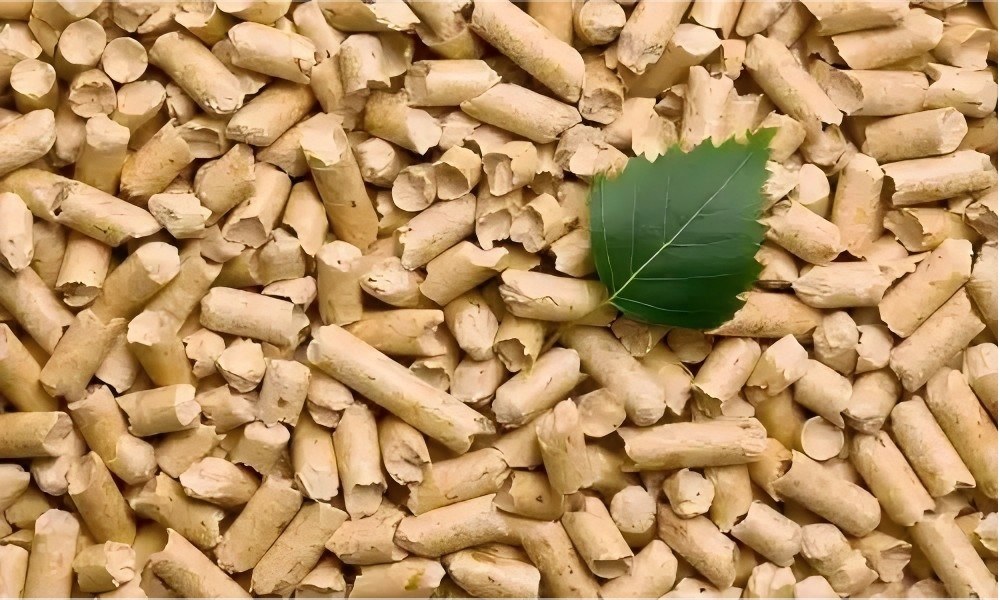
However, with the advancement of biomass technology, agricultural waste is now recognized as an important source of renewable energy. Through a series of mechanical and thermal processes, these residues can be transformed into high-efficiency solid fuel known as biomass pellets.
This transformation process is made possible by specialized equipment such as the rice straw pellet making machine, which plays a key role in converting loose agricultural residues into dense, energy-rich fuel pellets. This article explains how agricultural waste becomes renewable fuel, the steps involved, and why it is becoming a critical part of the global clean energy transition.
https://pelletisingmachine.com/straw-pellet-mill
1. Understanding Agricultural Waste as a Renewable Resource
Agricultural waste refers to the leftover biomass produced after harvesting crops. Unlike fossil fuels, these materials are renewable because they are regenerated every growing season.
Common agricultural residues include:
- Rice straw and rice husks
- Wheat straw
- Corn stalks and leaves
- Sugarcane bagasse
- Peanut shells
- Cotton stalks
- Orchard pruning residues
These materials contain cellulose, hemicellulose, and lignin, which make them suitable for energy conversion.
Why agricultural waste is valuable:
- Abundant and widely available
- Low cost or free in many regions
- Renewable and carbon-neutral
- Suitable for thermal energy production
Instead of being discarded, these resources can be upgraded into clean fuel through pelletizing technology.
2. The First Step: Collection and Transportation
The transformation of agricultural waste into renewable fuel begins with collection.
After harvest, residues are gathered from fields and transported to processing facilities. Depending on the region, this step can involve:
- Manual collection
- Mechanical baling systems
- Truck transportation
- Storage in biomass yards
Efficient logistics are important because agricultural residues are bulky and low in density before processing.
3. Preprocessing: Crushing and Size Reduction
Raw agricultural waste cannot be directly used in fuel systems. It must first be processed into smaller particles.
Crushing process includes:
- Straw shredding
- Hammer milling
- Cutting and grinding
The goal is to reduce particle size and prepare materials for pellet formation.
Why size reduction is important:
- Improves compression efficiency
- Ensures uniform pellet structure
- Enhances combustion performance
- Reduces wear on machinery
At this stage, the biomass becomes more suitable for densification using machines like the rice straw pellet making machine.
4. Drying: Controlling Moisture Content
Moisture content plays a critical role in biomass fuel quality.
Ideal moisture range:
- Typically 8%–15% depending on material type
Problems caused by improper moisture:
- Too high moisture → weak, soft pellets
- Too low moisture → poor binding and cracking
Drying methods:
- Rotary drum dryers
- Airflow drying systems
- Natural sun drying (less controlled)
Proper drying ensures efficient pellet formation and stable combustion performance.
5. Pelletizing: Turning Waste into Solid Fuel
The core transformation happens during pelletizing.
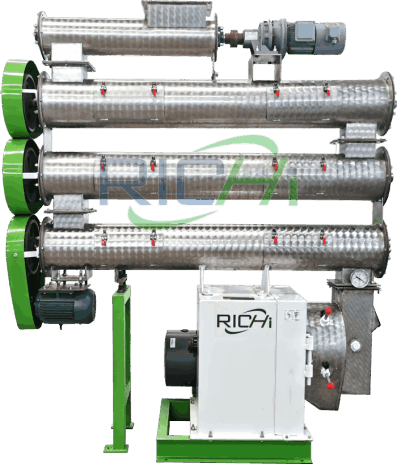
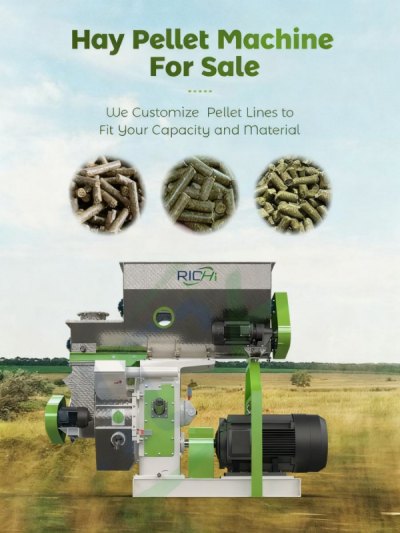
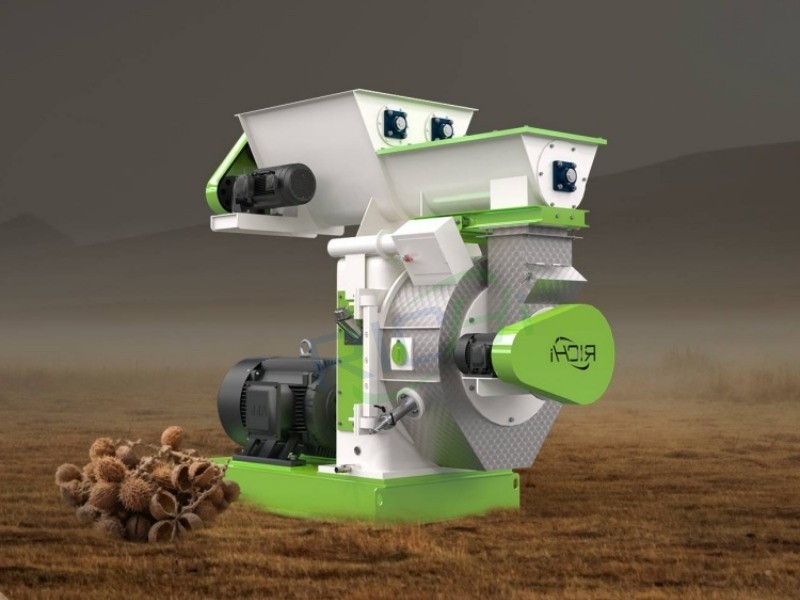
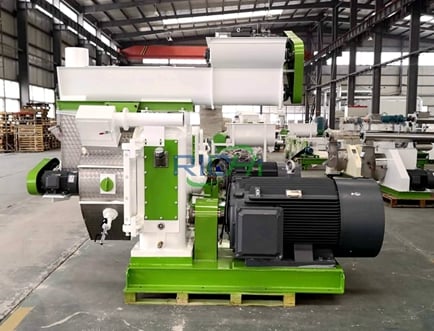
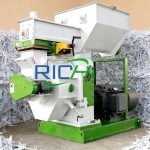
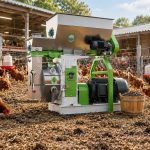
This is where loose agricultural biomass is compressed into dense, cylindrical pellets using mechanical pressure and heat. The most important equipment in this stage is the rice straw pellet making machine.
How the machine works:
- Raw material is fed into the machine
- High pressure compresses biomass through a die
- Friction generates heat, activating natural lignin
- Material is formed into uniform pellets
- Pellets are cut into standard lengths
Why pelletizing is important:
- Increases energy density
- Reduces transportation cost
- Improves combustion efficiency
- Makes fuel easier to store and handle
Rice straw, in particular, is widely used due to its abundance in agricultural regions across Asia.
6. The Role of the Rice Straw Pellet Making Machine
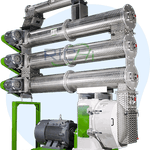
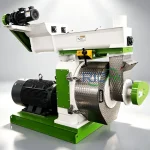
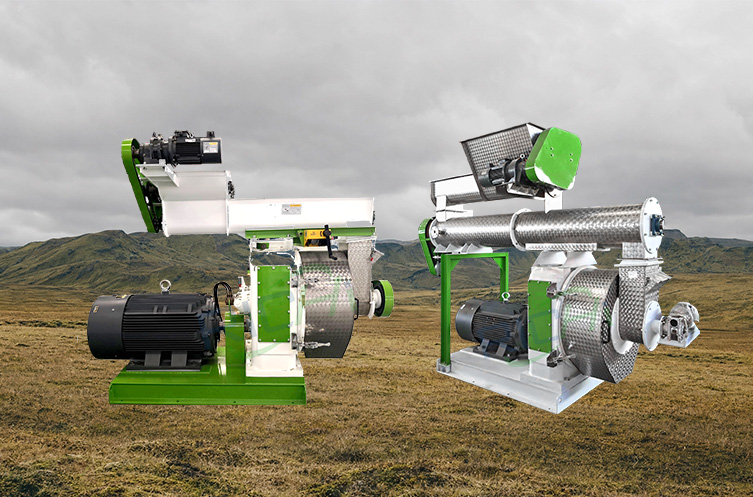
The rice straw pellet making machine is a specialized device designed to handle fibrous and sometimes high-silica agricultural residues like rice straw.
Key features include:
- Strong compression system for fibrous materials
- Wear-resistant die and roller components
- Stable feeding mechanism
- High efficiency motor system
- Continuous production capability
Advantages of using this machine:
- Converts low-value rice straw into high-value fuel
- Produces uniform and durable pellets
- Reduces waste disposal problems
- Supports large-scale biomass energy production
Without this machine, rice straw would remain bulky and difficult to use as fuel.
7. Cooling and Stabilization Process
Fresh pellets exiting the machine are hot and soft. They must be cooled before storage or transport.
Cooling benefits:
- Increases pellet hardness
- Reduces moisture content
- Prevents mold growth
- Improves durability during handling
Cooling systems such as counterflow coolers are commonly used in biomass production lines.
8. Screening and Quality Control
After cooling, pellets are screened to ensure consistent quality.
Screening removes:
- Broken pellets
- Excess fines (dust)
- Irregular shapes
Quality parameters include:
- Pellet density
- Moisture level
- Calorific value
- Ash content
Strict quality control ensures that biomass fuel meets industrial and export standards.
9. Packaging and Distribution
Once processed, pellets are packaged for storage and transportation.
Packaging methods:
- Bulk shipping
- Ton bags (big bags)
- Small consumer bags
Pellets are then distributed to:
- Power plants
- Industrial boilers
- Heating systems
- Export markets
Efficient packaging preserves fuel quality during long-distance transportation.
10. How Agricultural Waste Becomes Renewable Fuel
The full transformation process can be summarized as follows:
- Collection of agricultural residues
- Crushing and size reduction
- Drying to optimal moisture
- Pelletizing using a rice straw pellet making machine
- Cooling and stabilization
- Screening and quality control
- Packaging and distribution
Through these steps, low-value agricultural waste becomes a high-efficiency renewable fuel.
11. Environmental Benefits of Biomass Fuel Conversion
Turning agricultural waste into fuel has significant environmental advantages.
11.1 Reduction of air pollution
Open-field burning is eliminated, reducing smoke and particulate emissions.
11.2 Lower greenhouse gas emissions
Biomass is considered carbon-neutral, helping reduce climate impact.
11.3 Waste reduction
Crop residues are reused instead of being discarded.
11.4 Soil protection
Removing residues in a controlled manner reduces harmful burning practices.
12. Economic Benefits of Biomass Fuel Production
Agricultural waste-to-fuel systems also provide strong economic advantages.
12.1 Additional income for farmers
Farmers can sell straw and residues instead of burning them.
12.2 Job creation
The biomass industry creates jobs in:
- Collection
- Processing
- Transportation
- Equipment maintenance
12.3 Energy cost reduction
Biomass fuel can replace coal and reduce industrial energy expenses.
12.4 Export opportunities
Countries with large agricultural sectors can export biomass pellets globally.
13. Industrial Applications of Renewable Fuel Pellets
Biomass pellets produced from agricultural waste are used in many sectors.
13.1 Power generation
Used in biomass power plants or co-firing systems with coal.
13.2 Industrial heating
Factories use pellets for boilers and steam production.
13.3 Residential heating
Pellet stoves provide clean heating in homes.
13.4 Cement and steel industries
Used as alternative fuels in high-temperature processes.
14. Challenges in Conversion Process
Despite its benefits, there are some challenges:
14.1 Raw material collection logistics
Straw and residues are spread across large agricultural areas.
14.2 Moisture variability
Seasonal weather affects biomass quality.
14.3 Equipment investment
Machines like the rice straw pellet making machine require capital investment.
14.4 Transportation costs
Raw biomass is bulky before processing.
However, technological improvements are gradually solving these issues.
15. Future of Agricultural Waste Renewable Fuel
The future of biomass energy is highly promising.
Key trends include:
- Expansion of renewable energy policies
- Growth in biomass power plants
- Increased global pellet trade
- Technological automation improvements
- Stronger carbon reduction targets
As these trends continue, agricultural waste will play a larger role in global energy systems.
Conclusion
Agricultural waste becomes renewable fuel through a structured process of collection, crushing, drying, pelletizing, cooling, and distribution. This transformation turns low-value biomass into a clean and efficient energy source.
At the heart of this system is the rice straw pellet making machine, which enables the efficient conversion of rice straw into high-quality fuel pellets.
As the world moves toward sustainable energy solutions, agricultural waste-to-fuel technology will continue to expand, playing a vital role in reducing pollution, improving energy security, and supporting global environmental goals.