

Grass pellet manufacturing has become an essential part of modern livestock feeding systems and sustainable agriculture. As demand for efficient animal nutrition continues to grow, farmers and feed producers are increasingly turning to grass pellets as a reliable, high-density, and cost-effective feed solution. These pellets are made by compressing dried grasses and forage materials into uniform cylindrical shapes that are easier to store, transport, and feed to livestock.
The manufacturing process of grass pellets involves multiple carefully controlled steps, from raw material preparation to final packaging. Specialized equipment such as the grass pellet mill and alfalfa pellet machine plays a central role in ensuring product quality, efficiency, and nutritional preservation.
This article provides a comprehensive and detailed explanation of the grass pellet manufacturing process, including raw materials, production stages, machinery functions, and quality control methods.
1. Overview of Grass Pellet Manufacturing
Grass pellet manufacturing is the process of converting raw forage materials into dense, uniform pellets through mechanical compression and heat treatment.
Common raw materials include:
- Alfalfa
- Timothy grass
- Ryegrass
- Clover
- Hay
- Straw mixtures
These materials are widely available and renewable, making grass pellets a sustainable feed option.
1.1 Why Grass Pellets Are Important
Grass pellets offer several advantages:
- High nutritional density
- Easy storage and transport
- Reduced feed waste
- Improved digestibility
- Consistent feeding quality
They are widely used in livestock farming, especially for cattle, sheep, goats, and horses.
2. Step 1: Raw Material Selection and Preparation
The first step in grass pellet manufacturing is selecting high-quality raw materials.
2.1 Importance of Raw Material Quality
The quality of grass directly affects:
- Nutritional value of pellets
- Pellet durability
- Animal performance
2.2 Moisture Control
Raw grass must be dried to an optimal moisture level, usually around 10%–15%.
Too much moisture can cause:
- Mold growth
- Poor pellet formation
- Machine blockage
2.3 Cleaning and Impurity Removal
Before processing, raw materials are cleaned to remove:
- Stones
- Metal pieces
- Dust
- Foreign materials
This ensures safe and efficient production.
3. Step 2: Crushing and Grinding Process
Once prepared, raw materials are processed through a crushing system.
3.1 Function of Grinding
Grinding reduces grass into smaller particles, which improves:
- Mixing uniformity
- Pellet formation
- Nutrient absorption
3.2 Hammer Mill System
A hammer mill is commonly used in grass pellet production lines.
It ensures:
- Fine and uniform particle size
- Efficient processing
- Better pellet quality
4. Step 3: Mixing and Formulation
After grinding, materials are mixed to ensure nutritional balance.
4.1 Mixing Objectives
- Even distribution of nutrients
- Consistent feed quality
- Improved animal performance
4.2 Additives in Grass Pellet Production
Sometimes, additional ingredients are added:
- Vitamins
- Minerals
- Binding agents
These improve pellet stability and nutrition.
5. Step 4: Conditioning Process
Conditioning is a critical step before pellet formation.
5.1 What Happens During Conditioning
- Steam or moisture is added
- Temperature is increased
- Material becomes softer and more plastic
5.2 Benefits of Conditioning
- Improves pellet durability
- Enhances binding properties
- Increases digestibility
Proper conditioning is essential for high-quality pellets.
6. Step 5: Pelletizing with Grass Pellet Mill
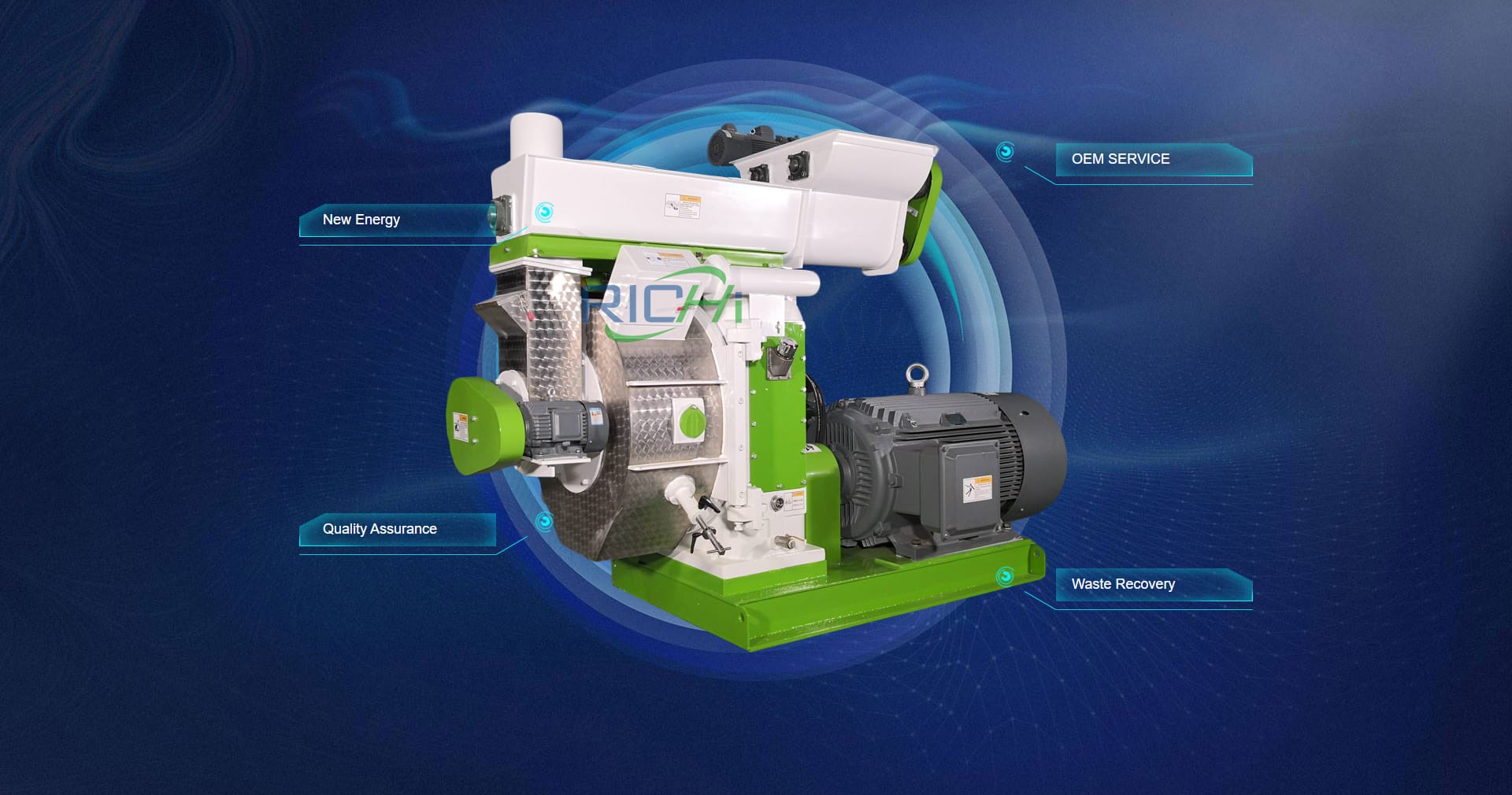
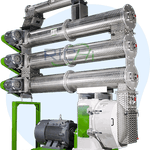
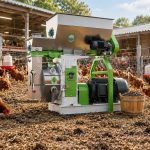
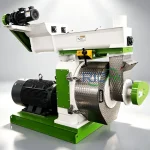
The high-efficiency grass pellet mill is the core machine in the manufacturing process.
It transforms prepared raw materials into solid pellets.
6.1 Working Principle
- Prepared material enters the machine
- Rollers apply pressure
- Material is forced through a die
- Pellets are cut into uniform lengths
6.2 Importance of Grass Pellet Mill
The grass pellet mill determines:
- Pellet size
- Density
- Hardness
- Production efficiency
6.3 Advantages
- High production capacity
- Stable performance
- Suitable for various forage types
6.4 Impact on Feed Quality
A well-functioning pellet mill ensures:
- Strong pellets
- Reduced dust formation
- Better storage stability
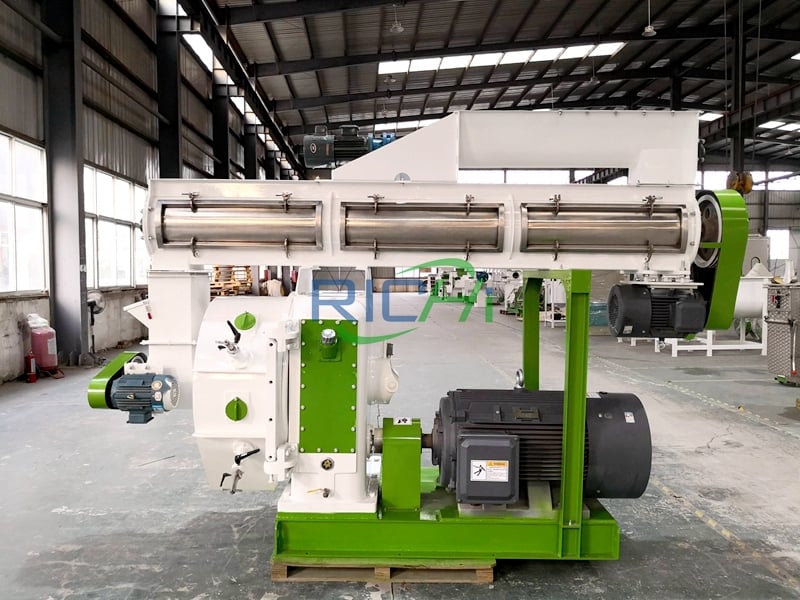
7. Step 6: Alfalfa Pellet Machine and Its Role
The alfalfa pellet machine is specifically designed to process alfalfa, one of the most nutritious forage crops.
7.1 Why Alfalfa Is Important
Alfalfa is known for:
- High protein content
- Rich vitamin and mineral composition
- Excellent digestibility
7.2 Function of Alfalfa Pellet Machine
It compresses alfalfa into dense pellets while preserving its nutritional value.
7.3 Key Benefits
- Maintains nutrient integrity
- Produces high-quality livestock feed
- Reduces storage space requirements
7.4 Importance in Livestock Farming
Alfalfa pellets are widely used for:
- Dairy cattle
- Beef cattle
- Horses
- Sheep and goats
They significantly improve animal productivity.
https://pelletisingmachine.com/alfalfa-pellet-mill-for-sale
8. Step 7: Drying Process
After pelletizing, pellets contain moisture and must be dried.
8.1 Purpose of Drying
- Reduce moisture content
- Prevent mold growth
- Improve storage stability
8.2 Drying Equipment
Common systems include:
- Belt dryers
- Rotary dryers
Proper drying ensures pellet durability.
9. Step 8: Cooling Process
Cooling stabilizes pellets after drying.
9.1 Why Cooling Is Necessary
Hot pellets are fragile and unstable. Cooling:
- Hardens pellets
- Prevents moisture condensation
- Improves durability
10. Step 9: Screening and Quality Control
Screening removes broken or defective pellets.
10.1 Benefits
- Ensures uniform product quality
- Removes dust and fines
- Improves feed presentation
10.2 Quality Control Checks
- Pellet size
- Moisture content
- Hardness
- Nutritional balance
11. Step 10: Packaging Process
Final pellets are packaged for storage and transportation.
11.1 Packaging Functions
- Protects from moisture
- Extends shelf life
- Facilitates transport
12. Integration of Grass Pellet Production Line
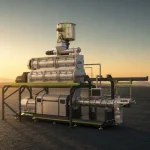
All steps are connected through a grass pellet production line.
12.1 Main Components
- Grinding system
- Mixing system
- Conditioning system
- grass pellet mill
- drying system
- cooling system
- packaging system
12.2 Benefits of Integration
- Continuous production flow
- High efficiency
- Reduced labor costs
- Stable product quality
13. Energy Efficiency in Pellet Manufacturing
Modern systems are designed to reduce energy consumption.
Benefits include:
- Lower operating costs
- Efficient production
- Reduced environmental impact
14. Common Challenges in Grass Pellet Manufacturing
Challenges include:
- Raw material inconsistency
- Moisture control issues
- Equipment wear and maintenance
- Energy consumption
Proper management helps overcome these issues.
15. Environmental Benefits of Grass Pellets
Grass pellets contribute to sustainable agriculture.
Benefits include:
- Reduced agricultural waste
- Efficient use of forage crops
- Lower environmental pollution
16. Economic Benefits of Pellet Production
Grass pellet manufacturing offers strong economic advantages:
- Value-added agricultural product
- Reduced feed costs for farmers
- New business opportunities
17. Importance of Equipment Maintenance
Proper maintenance ensures stable production.
Maintenance tasks:
- Cleaning machines
- Lubrication
- Die replacement in pellet mills
- Regular inspection
18. Future Trends in Grass Pellet Manufacturing
Future developments include:
- Smart automated pellet systems
- AI-based feed formulation
- Energy-efficient machinery
- Sustainable forage utilization
Conclusion
Grass pellet manufacturing is a well-structured process that transforms raw forage into highly nutritious, stable, and easy-to-use livestock feed. Each step—from raw material preparation to final packaging—plays a critical role in ensuring product quality and efficiency.
The grass pellet mill serves as the core machine in this process, while the alfalfa pellet maker is essential for producing high-value alfalfa-based feed that significantly improves livestock nutrition.
As modern agriculture continues to evolve, grass pellet manufacturing will remain a key technology for improving feed efficiency, reducing waste, and supporting sustainable livestock production worldwide.