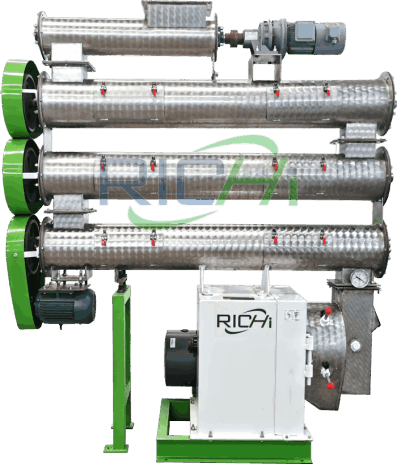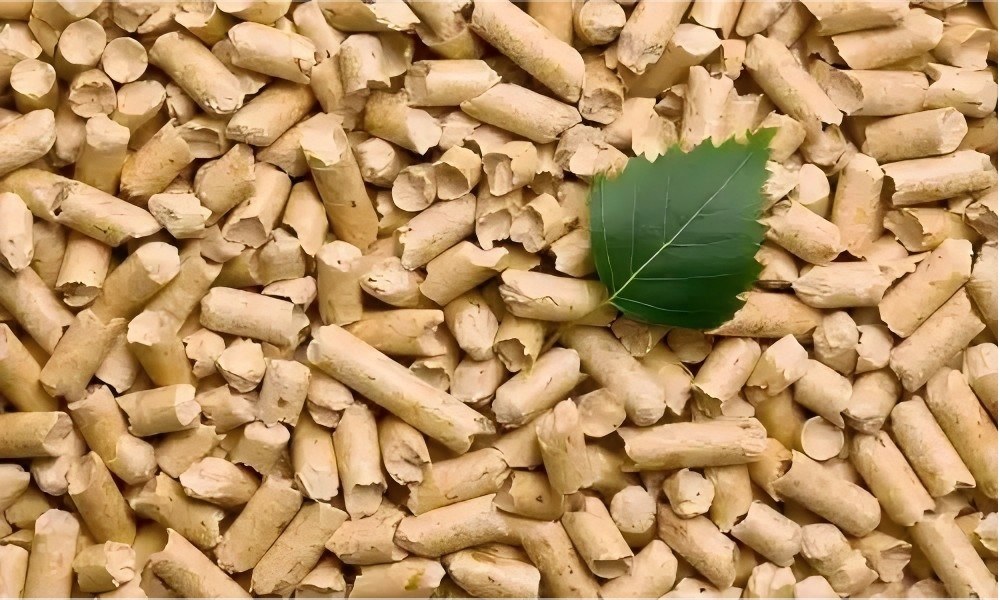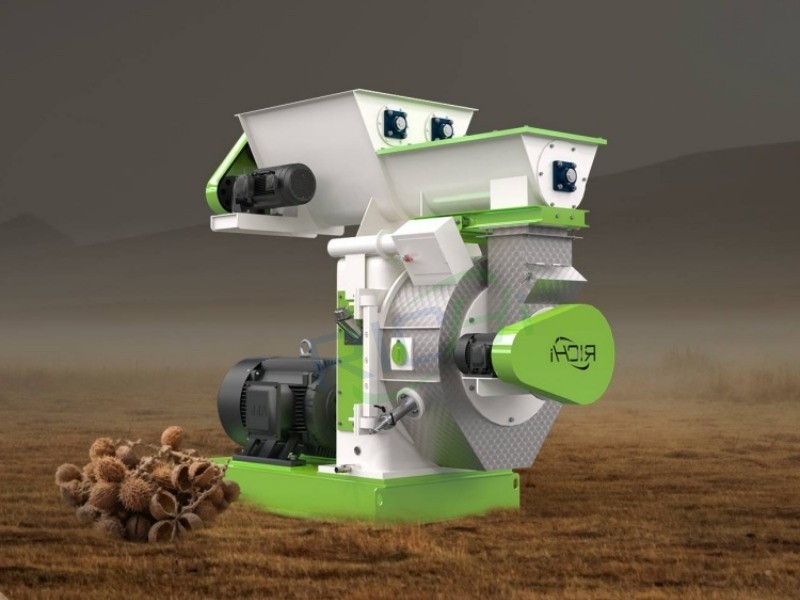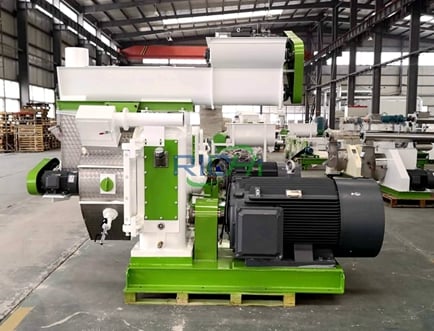
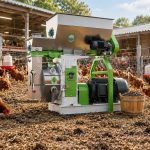
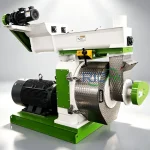

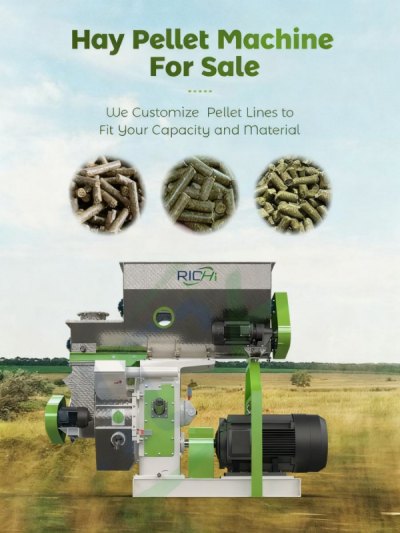
The agricultural industry continues to embrace efficient processing solutions, and the hay pellet machine has become essential equipment for converting forage and crop residues into valuable pellets. Modern production facilities rely on these machines to process materials like hay, straw, alfalfa, and other agricultural waste into high-density pellets for livestock feed and biomass fuel . Understanding the 1-30T/H straw pellet machine landscape helps producers make informed investment decisions for operations of all scales.
Understanding Hay Pellet Machine Technology
A hay pellet machine is an innovative agricultural device that uses physical compression to transform loose agricultural waste such as straw and hay into high-density, uniformly shaped cylindrical pellets . The original bulky hay is difficult to transport and store, often leading to burning. After processing through a hay pelletizer, its volume is reduced to one-fourth of the original size, which greatly lowers storage and transportation costs and eliminates environmental pollution caused by burning at its source .
The working principle involves compressing loose hay powder through mechanical pressure, friction-generated heat, and the material’s inherent physical changes, forcing the material through a specific die which converts it into high-density pellets . The natural lignin in the biomass acts as a binder without chemical additives. These machines are widely used in large farms, livestock breeding operations, and specialized biomass fuel processing plants, transforming low-value hay into marketable high-value commodities .
1-30T/H Straw Pellet Machine Models and Specifications
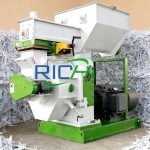
When evaluating 1-30T/H straw pellet machine options, capacity and configuration are key considerations. RICHI Machinery offers the CZLH series ring die pellet mills specifically designed for hay and straw processing, with capacities ranging from 0.5 to 8 tons per hour for individual units . For larger industrial operations, complete pellet plant solutions are available with capacities reaching up to 30 tons per hour using multiple pellet mills in parallel configuration .
The CZLH320 produces 0.5-0.6 tons per hour with a 22 kW motor, while the CZLH350 delivers 1.0-1.2 tons per hour with a 37 kW motor. For medium-scale operations, the CZLH420 achieves 1.8-2.0 tons per hour with a 90 kW motor, and the CZLH520 produces 2.8-3.0 tons per hour with a 132 kW motor. Larger industrial models include the CZLH678 with 4-5 tons per hour capacity and 185 kW motor, and the CZLH768 achieving 6-8 tons per hour with a 250 kW motor .
Finished pellet diameters are adjustable from 4 to 12 millimeters to suit various applications including animal feed and biomass fuel. All models feature SKF bearings, Siemens motors, and stainless steel ring dies with vacuum quenching heat treatment for extended service life . The main drive system utilizes gear transmission for high efficiency, with output 15% higher than belt-driven models . For more detailed information on hay pellet machine options, you can article for comprehensive resources.
Complete Production Line Integration
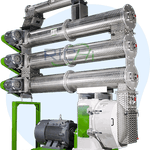
A comprehensive agricultural pellet production solution integrates multiple stages beyond the pellet machine. A typical hay straw pellet production line includes hammer mills for size reduction, drying systems to control moisture content, the pellet extruder, cooling systems to stabilize pellets, and screening systems to remove fines .
For a 500 kg/h capacity wheat straw and alfalfa hay pellet line, the system includes an 11 kW hammer mill for crushing, a 37 kW ring die pellet machine, and a cooler. This complete line is suitable for processing wheat straw, corn stalk, alfalfa hay, rice straw, and other similar materials . For larger operations, a 3-12 tons per hour hay straw pellet production line includes a main pellet mill, biomass dryer, horizontal mixer, hammer mill, countercurrent cooler, vibrating screen, and automatic weighing packaging machine .
Quality Considerations and Best Practices
Achieving consistent pellet quality requires careful attention to several parameters. Raw material moisture content must be controlled for optimal pellet formation. Particle size should be reduced to 5mm or less before pelletizing. Freshly formed pellets require cooling to ambient temperature to harden and strengthen them prior to bagging.
The ring die and pressure roller made of stainless steel are nearly ten times more wear-resistant than the general heat treatment process, saving production costs . The excellent granulation pass rate exceeds 95%, and the machine can accommodate a wide range of formulations with pellet size adjustable by replacing the ring die . The granulator equipment features a safety pin that provides overload protection by breaking if the main motor overloads, ensuring safe operation .
Summary
Investing in a hay pellet machine with 1-30T/H straw pellet machine capacity offers a strategic opportunity to convert agricultural waste into valuable feed or fuel pellets. The combination of advanced ring die technology with integrated processing systems delivers consistent quality and operational efficiency. For detailed specifications and pellet machine for sale options, you can article for comprehensive manufacturing solutions from Richi manufacture tailored to your specific capacity requirements and raw material sources.
view details: https://www.richimanufacture.com/hay-pellet-machine-for-sale/