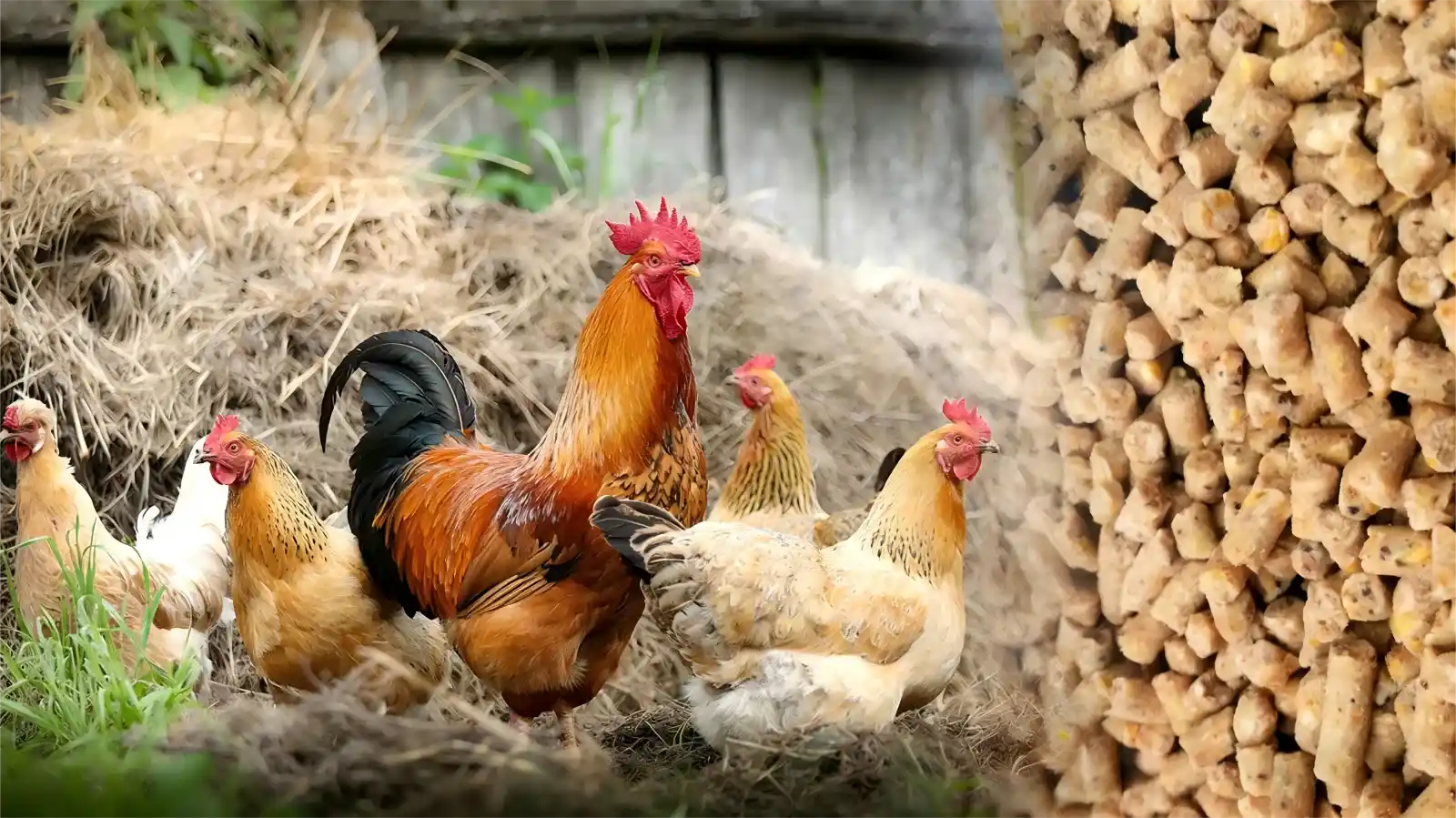

Every livestock farm has one. The pile. It sits behind the barn, growing a little every day, and it never stops. For most farmers, it is a chore—something to be scraped, hauled, spread, or paid to have removed. But a growing number of producers have started looking at that pile differently. They see a product. They see revenue. They see something that can be dried, ground, and turned into fertilizer that sells for real money.
That shift in perspective is a good thing. But it comes with a learning curve. Turning raw manure into a marketable fertilizer product is not as simple as buying a machine and switching it on. There are details that matter—details that separate operations that produce a premium product from operations that produce something nobody wants to buy. Here are five things people commonly get wrong, and what to do instead.
Myth One: All Manure Is Basically the Same
It isn’t. Poultry litter, dairy manure, and beef feedlot manure are not interchangeable. They differ in moisture content, nutrient density, fiber structure, and how they behave when you try to process them. Poultry manure tends to be drier and higher in nitrogen, which makes it valuable but also more abrasive on equipment. Dairy manure is wetter and heavier, with more bedding mixed in. Feedlot manure varies with the ration and the amount of soil mixed in during scraping.
This matters because the equipment has to match the material. A die that works well for dried poultry litter may clog or wear out quickly on dairy manure with a high straw content. The drying requirements are different too. A producer who buys equipment without testing their own material first often ends up with a machine that technically works but never performs the way it was promised.
The fix is simple. Before you buy anything, get your manure tested. Find out its moisture content, its nutrient profile, and its fiber characteristics. Share that information with the equipment supplier. A supplier who asks for those details is a supplier who understands the application. A supplier who doesn’t is selling you a machine, not a solution.
Myth Two: You Need an Industrial Plant to Make It Worthwhile
This is one of the most common assumptions, and it stops a lot of farmers from even exploring the idea. The thinking goes like this: fertilizer production is for big companies with big budgets. It’s not for a farm with a few hundred animals.
That is no longer true. Equipment has scaled down. A cow dung fertilizer machine is now available in sizes that make sense for mid-sized operations, not just industrial plants. A farm producing a few hundred tons of manure a year can process it into pellets or granules without building a factory. The equipment is compact, the power requirements are manageable, and the learning curve is shorter than most people expect.
That said, scale still matters. The economics improve as volume increases. A farm producing fifty tons of finished product a year will have a harder time justifying the investment than one producing five hundred tons. But the threshold is much lower than it used to be. If you have a steady supply of manure and a local market for fertilizer, it is worth running the numbers.
Myth Three: Drying Is Just a Formality
This is the mistake that ruins more batches than any other. Fresh manure contains 70% to 85% moisture. For pelleting or granulating, that moisture has to come down to around 12% to 15%. If it doesn’t, the finished product will be soft, prone to mold, and impossible to store.
The problem is that drying is the most expensive and energy-intensive part of the process. It is also the least glamorous. So it gets underestimated. Producers buy a pellet mill and assume they can figure out the drying later. Then they discover that the dryer is the bottleneck, or that it consumes more energy than they budgeted for, or that it produces inconsistent results.
The fix is to treat drying as a core part of the system, not an afterthought. Size the dryer to match the throughput of the pellet mill. Consider the energy source carefully—biomass, natural gas, and waste heat all have different cost profiles. And test the drying process on your actual material before you commit to a full line. A dryer that works on paper may not work on your manure.
Myth Four: Fertilizer Pellets and Fertilizer Granules Are the Same Thing
They are not, and the difference matters for both the equipment and the market.
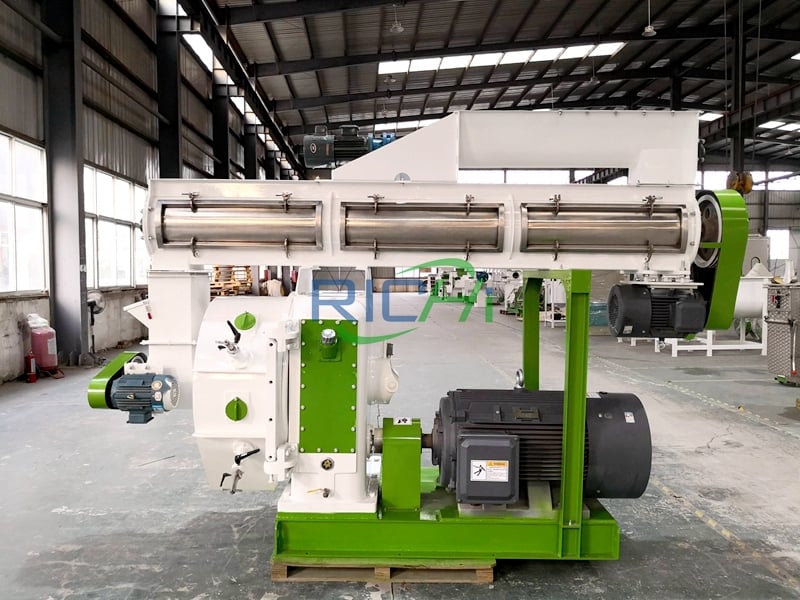
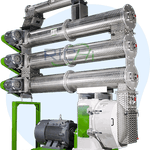
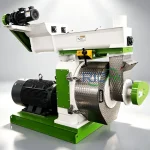
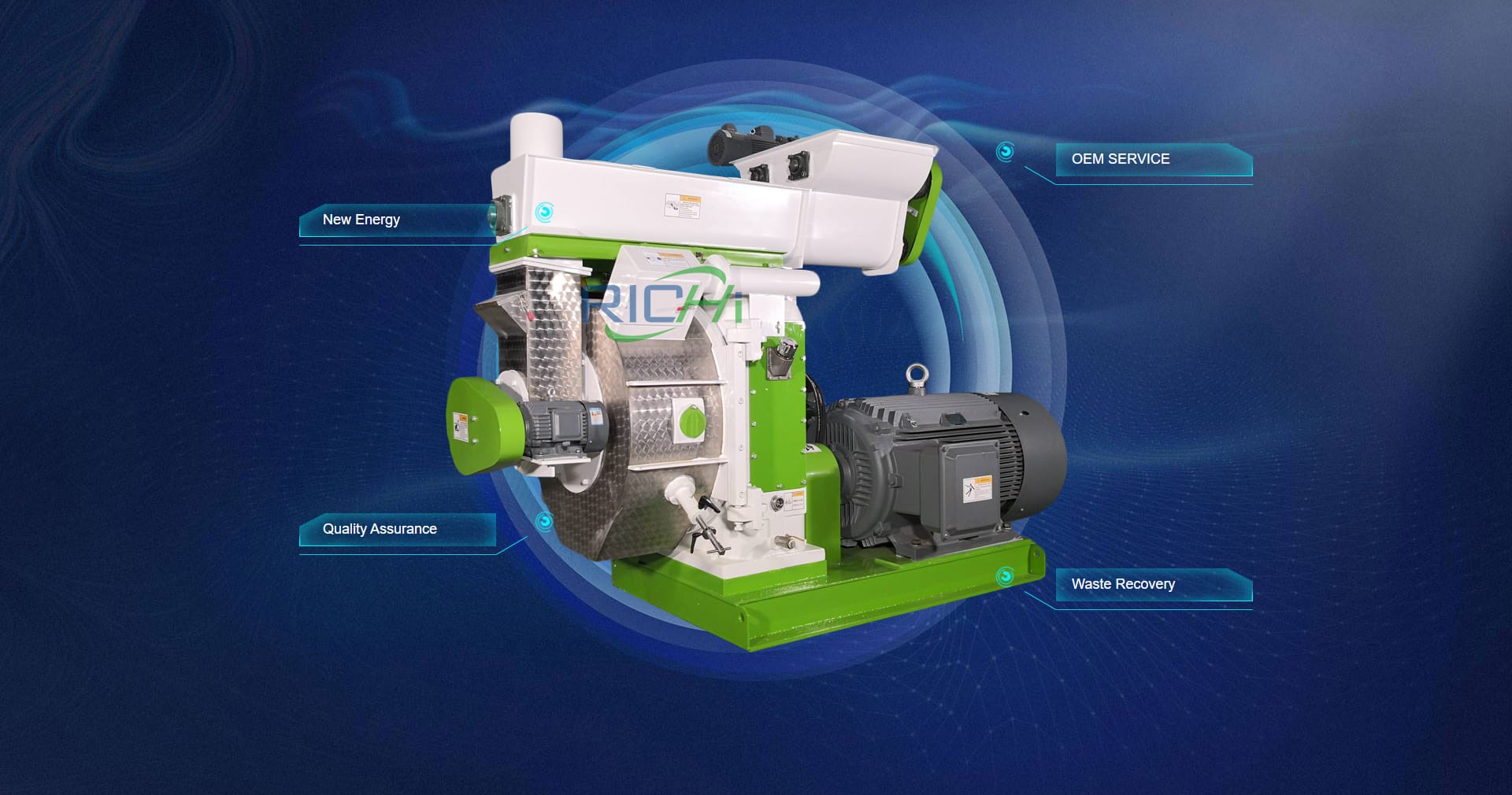
Pellets are made by forcing material through a die under high pressure. The result is a dense, cylindrical product with a smooth surface. The process generates heat, which helps bind the material. A pellet making machine is the equipment used for this. Pellets are typically used as fuel or as a slow-release fertilizer. They are uniform, easy to handle, and store well.
Granules are made differently. Instead of being forced through a die, the material is tumbled in a drum or on a disc while moisture and binders are added. The particles stick together and grow into round, irregular shapes. The process is gentler and does not require the same level of pressure. A 2t/h organic fertilizer granulator machine for sale is designed for this kind of production.
The choice between pellets and granules depends on your market. Some buyers prefer the uniform appearance and slow release of pellets. Others prefer granules because they break down faster in the soil and blend more easily with other inputs. Some producers make both and sell to different customers. Understanding the distinction before you buy equipment saves you from investing in the wrong process.
Myth Five: The Only Buyers Are Organic Farmers
Organic farms are an obvious market for processed manure, and they are a good one. Organic certification requires approved nutrient sources, and manure-based fertilizers fit the bill. But they are not the only buyers.
Landscapers use organic fertilizers for turf, gardens, and ornamental plantings. Golf courses use them to reduce chemical inputs. Vegetable growers, fruit orchards, and vineyards use them for soil health. Municipal parks departments use them. Even conventional farmers use them to build organic matter and reduce reliance on synthetic inputs.
There is also the fuel market. Dried manure pellets have a calorific value comparable to low-grade coal. In regions where biomass heating is established, manure pellets are a viable fuel source. This market is less seasonal than agriculture, which helps smooth out cash flow.
And there is the bedding market. Processed manure pellets are absorbent and low in dust. They are used for livestock bedding and in some pet products. These markets pay well for consistent quality, which is exactly what a well-run processing line delivers.
The point is that a producer who only looks at organic farms is limiting themselves. The market is broader than most people assume, and it is growing as more industries look for sustainable inputs.
What Actually Matters When You Choose Equipment
If you get past the myths, the equipment decision becomes clearer. What matters is whether the machine fits your material, your volume, and your market.
Capacity should match your supply. Don’t oversize and don’t undersize. A machine that runs constantly will wear out early. A machine that runs occasionally ties up capital. Aim for a throughput that lets you process your manure in a reasonable number of operating hours per week.
Build quality matters more than price. Manure is abrasive. It contains silica, grit, and fibrous material that wears down dies, rollers, and bearings. A machine built with wear-resistant components will cost more upfront but will last longer and produce more consistent results. A cheap machine will cost more in the long run through replacements, downtime, and rejected batches.
Drying capacity is not negotiable. If your manure is wet, you need a dryer sized to handle it. This is where many producers cut corners and regret it.
Support matters. Dies wear out. Bearings fail. Belts break. You need a supplier who can provide parts and technical help quickly. A machine that sits idle waiting for a component is losing money every day.
The Real Question
The question is not whether manure can be turned into fertilizer. It can. The question is whether you are prepared to do it properly—with the right equipment, the right preparation, and the right understanding of your market.
The farms that succeed at this are not the ones with the biggest budgets. They are the ones that tested their material, sized their equipment correctly, invested in drying, and found buyers before they started producing. They treated it like a business, not a side project.
If you have a steady supply of manure and a local market for fertilizer, the opportunity is real. The equipment is available at scales that make sense for working farms. And the demand for organic inputs keeps growing. What separates the operations that profit from the ones that struggle is usually not the machine—it is the planning that came before it.
You may also like:https://pelletizerextruder.com/chicken-manure-pellet-machine/