
The global aquaculture industry is undergoing a major transformation driven by automation, precision nutrition, and large-scale feed production systems. As demand for seafood continues to rise, manufacturers are under pressure to produce high-quality feed with consistent performance and lower operational cost.
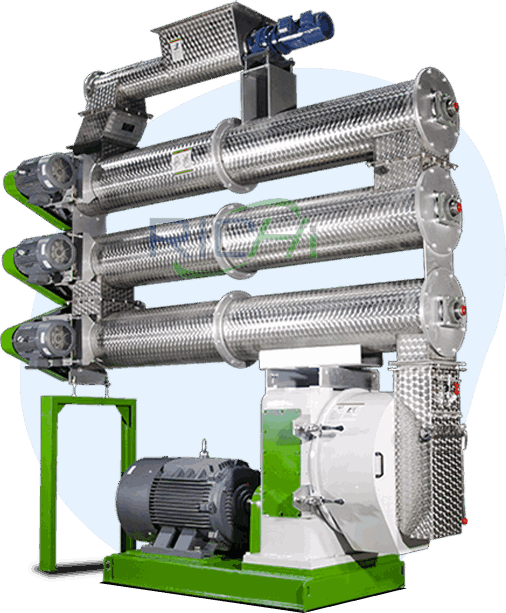
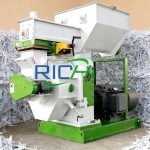
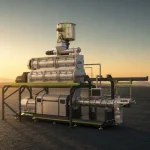
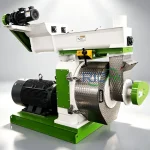
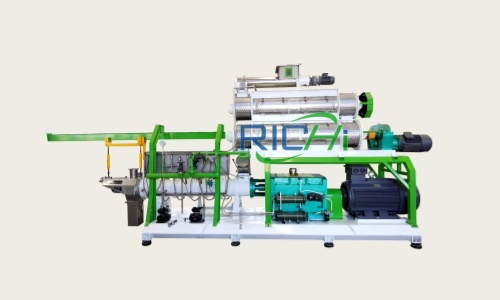
At the heart of this transformation lies the sinking fish feed extrusion machine, a core technology that enables producers to create stable, dense, and nutritionally balanced feed for bottom-feeding aquatic species while integrating seamlessly with floating feed production systems.
This article explores how modern fish feed production lines are designed, how sinking and floating systems work together, and how manufacturers can improve efficiency through advanced extrusion technology.
1. Evolution of Industrial Fish Feed Manufacturing
Fish feed production has evolved from simple mechanical pelletizing systems into highly automated industrial extrusion lines. Traditional systems were limited in control, often producing inconsistent pellets that failed to meet modern aquaculture requirements.
Today’s production systems are built around:
- Automated batching systems
- Precision grinding and mixing
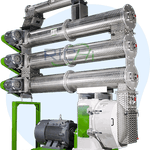
- High-pressure extrusion units
- Multi-stage drying and cooling systems
The sinking fish feed extrusion machine plays a crucial role in this evolution by ensuring pellet density and stability for bottom-feeding species.
2. Working Principle of Sinking Feed Extrusion Systems
Unlike floating feed production, sinking feed relies on density control rather than expansion. Inside the extrusion chamber:
- Raw materials are compressed under moderate pressure
- Moisture content is carefully regulated
- Temperature is controlled to prevent excessive expansion
- Die structure ensures compact pellet formation
This process results in dense pellets that sink quickly in water while maintaining structural integrity.
The sinking fish feed machine is therefore essential for aquaculture systems where bottom feeding behavior dominates.
3. Integration of Floating and Sinking Feed Production Lines
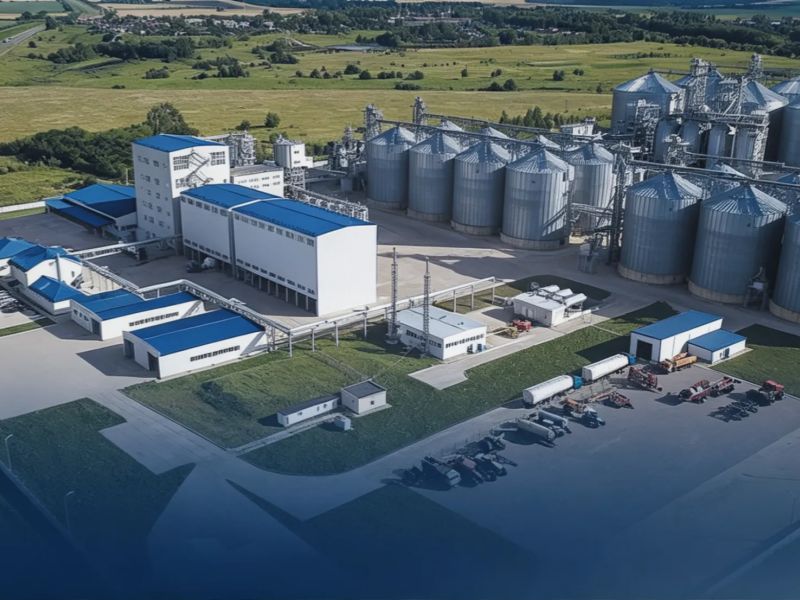
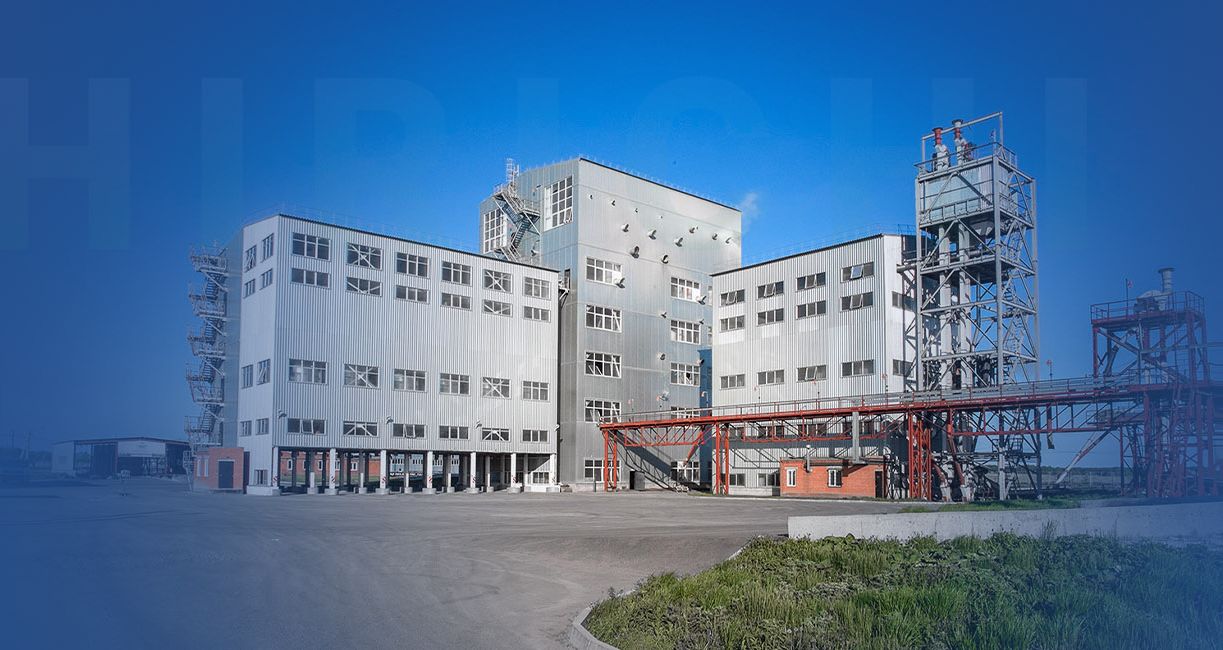
Modern aquafeed factories are rarely single-purpose. Instead, they integrate both floating and sinking feed systems into a unified production line.
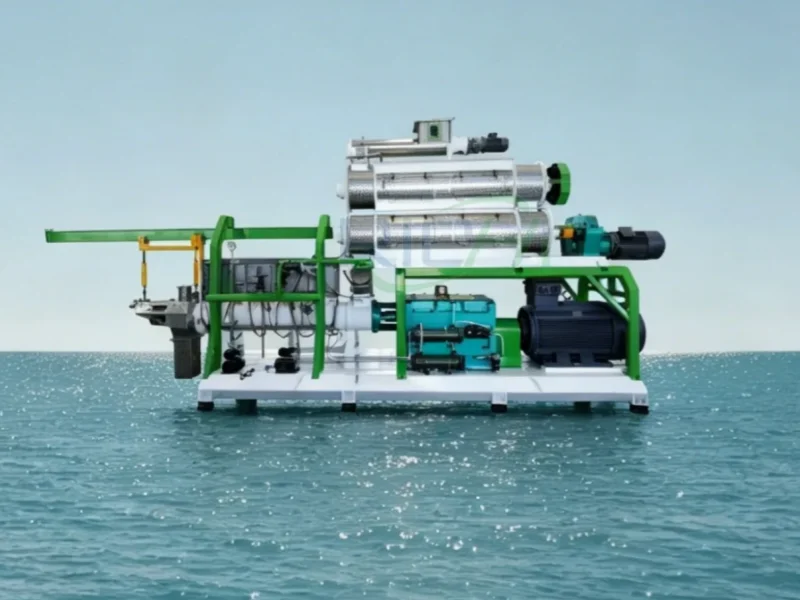
For example, systems such as the 2-3 T/H floating fish feed extruder for sale are often installed alongside sinking feed machines to enable dual production capability.
This integration allows manufacturers to:
- Serve multiple fish species markets
- Increase factory utilization rate
- Reduce equipment redundancy
- Improve return on investment
Hybrid production design has become a global trend in aquafeed engineering.
4. Industrial Capacity Planning in Feed Production Plants
Capacity planning is one of the most important factors in designing a feed production facility. Choosing the wrong capacity can lead to inefficiency or underutilization.
Common production capacities include:
- Small scale: 0.2–1 T/H systems
- Medium scale: 2–3 T/H systems
- Large scale: 5 T/H and above
The 0.2-1 T/H fish feed extruder for sale is widely used for startup factories, research facilities, and regional aquaculture farms.
Proper capacity planning ensures:
- Stable production flow
- Balanced energy consumption
- Scalable expansion options
5. Role of Equipment Manufacturers in System Performance
The performance of a feed production line depends heavily on equipment quality and engineering design. Reliable manufacturers provide not only machines but complete system solutions.
Companies such as Richi Machinery Manufacture are known for delivering integrated feed production systems with optimized energy consumption and stable performance.
Similarly, Richi Machinery provides turnkey solutions for aquafeed factories, covering grinding, mixing, extrusion, drying, and packaging systems.
Working with experienced manufacturers ensures:
- Higher production stability
- Lower maintenance cost
- Longer equipment lifespan
- Better pellet quality consistency
6. Key Advantages of Modern Fish Feed Extrusion Systems
Modern extrusion systems provide multiple advantages over traditional pelleting:
6.1 Improved Nutritional Absorption
Heat and pressure processing improve starch gelatinization and protein digestibility.
6.2 Better Feed Conversion Ratio
Fish require less feed for the same growth performance.
6.3 Flexible Production Capability
One system can produce multiple pellet types with minor adjustments.
6.4 Reduced Environmental Impact
Stable pellets reduce waste and water pollution.
7. Floating vs Sinking Feed Applications
Different aquatic species require different feed behaviors:
- Floating feed: tilapia, carp, ornamental fish
- Sinking feed: shrimp, catfish, eel
The sinking fish feed system is essential for species that feed at lower water levels, ensuring proper nutrient intake and reducing feed loss.
8. Production Optimization Strategies
To maximize efficiency in aquafeed production, manufacturers should focus on:
- Raw material particle size control
- Moisture regulation during conditioning
- Screw speed optimization
- Die configuration adjustment
- Preventive maintenance schedules
These factors directly impact pellet quality and production efficiency.
9. Industry Trends in Aquafeed Manufacturing
The aquafeed industry is moving toward:
- Fully automated production lines
- Energy-efficient extrusion systems
- Smart factory integration
- Multi-functional feed plants
- Sustainable aquaculture solutions
These trends are reshaping global competition and increasing demand for advanced equipment systems.
10. Technical Resources and Industry Insights
For deeper technical understanding of feed production systems and industrial layouts, manufacturers often refer to top article resources that provide practical engineering insights and optimization strategies.
Conclusion
The sinking fish feed extrusion machine is a critical component in modern aquaculture feed production systems. When integrated with floating feed production lines, it enables manufacturers to achieve maximum flexibility, efficiency, and profitability.
As aquaculture continues to expand globally, advanced extrusion technology will remain at the center of industrial feed manufacturing innovation.
(Related Post: https://www.richipelletmill.com/floating-fish-feed-extruder-machine/ )