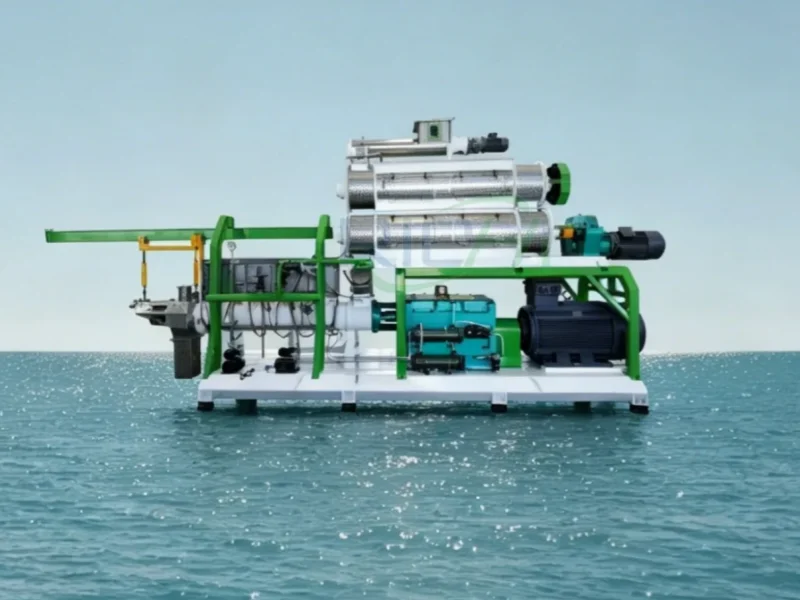
Meeting the New Challenges of Global Aquaculture
Aquaculture has become an essential part of the global food industry, providing a stable source of seafood for millions of people around the world. As natural fisheries face increasing pressure, fish farming continues to expand as an effective way to meet rising seafood demand.
However, rapid industry growth also brings new challenges. Farmers need to improve production efficiency, control costs, maintain water quality, and provide healthier aquatic products. Among all production factors, feed remains one of the most important elements influencing aquaculture performance.
Modern aquatic feed is no longer simply a mixture of ingredients. It is a carefully developed product designed to provide balanced nutrition, high digestibility, and suitable physical properties for different species.
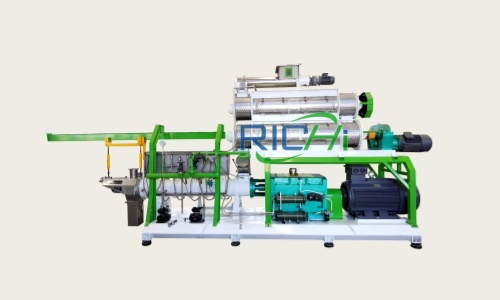
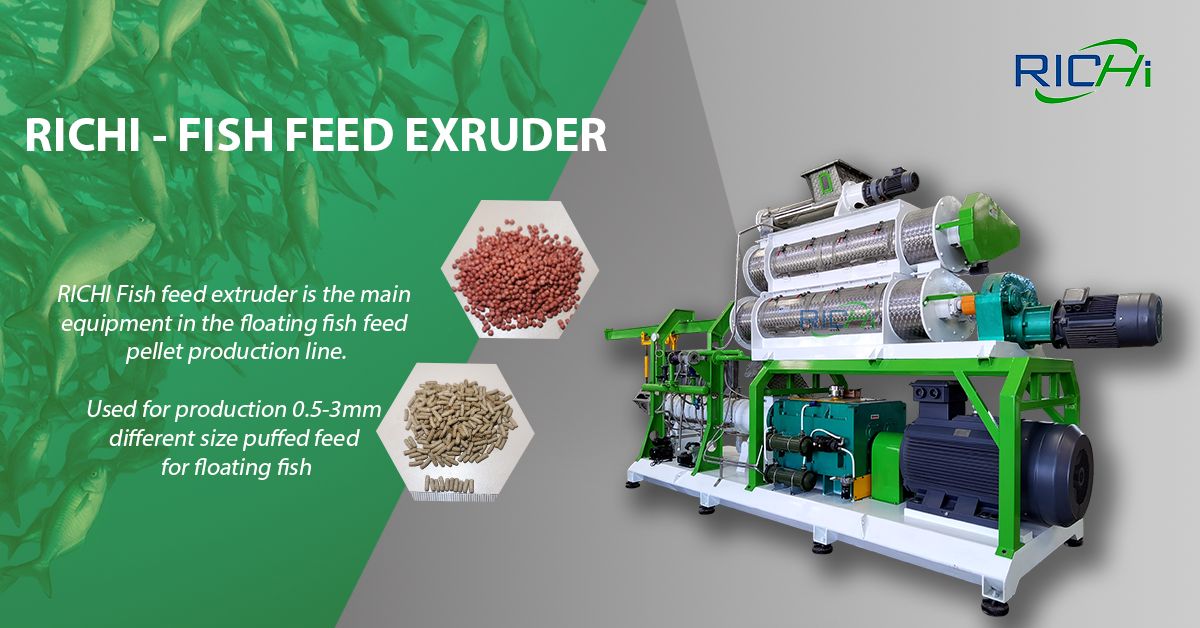
To achieve these goals, feed manufacturers are increasingly adopting advanced processing technologies. A professional Twin Screw Fish Feed Extruder machine provides the flexibility required to produce various types of aquatic feed, including floating fish feed, sinking feed, shrimp feed, and specialty formulations.
With improved equipment and production methods, the aquaculture industry is moving toward a smarter and more sustainable future.
Why Advanced Feed Processing Is Changing Aquaculture
Traditional feed production methods often faced limitations in quality control and production efficiency. Uneven mixing, unstable pellet structure, and poor water resistance could reduce feed performance and increase farming costs.
Advanced feed processing technology addresses these issues by improving every stage of production.
Improved Ingredient Processing
Modern systems can process a wide range of ingredients, including fish meal, soybean products, grains, oils, and functional additives. Better processing ensures nutrients are distributed evenly throughout the feed.
Enhanced Pellet Quality
Extrusion technology creates pellets with controlled density, size, and texture. This allows manufacturers to produce feed suitable for different aquatic species and farming environments.
Better Nutrient Utilization
Proper extrusion improves starch gelatinization and feed digestibility, helping fish absorb nutrients more efficiently.
Reduced Environmental Impact
Higher feed efficiency means less waste enters the water, helping maintain healthier aquatic ecosystems.
These improvements demonstrate why advanced feed manufacturing has become a key factor in modern aquaculture development.
Understanding the Benefits of Twin Screw Extrusion
Twin screw extrusion technology plays an important role in producing high-quality aquatic feed. Compared with conventional processing methods, it provides better control over the entire production process.
The twin screw design allows stronger mixing and transportation of materials inside the processing chamber. This creates a more uniform feed mixture and improves product consistency.
Another important advantage is flexibility. Different aquatic species require different feed characteristics. Some fish need floating pellets, while others require sinking feed. Twin screw systems allow manufacturers to adjust processing conditions to achieve different results.
Temperature, moisture, and pressure can be accurately controlled during extrusion. This helps manufacturers produce pellets with stable structure and improved feeding performance.
For companies planning to improve production efficiency, investing in a reliable twin screw fish feed extruder can provide long-term benefits by supporting diversified feed production and consistent product quality.
Building a Complete Aquatic Feed Manufacturing Strategy
Successful feed production requires more than selecting a single machine. Businesses need to develop a complete manufacturing strategy based on market demand, raw materials, and future growth plans.
A professional aquatic feed production system usually includes several key stages.
Raw Material Management
Reliable raw material supply is essential for stable production. Proper storage conditions help protect ingredient quality and reduce losses.
Size Reduction and Mixing
Grinding and mixing processes ensure that ingredients are prepared correctly and distributed evenly.
Extrusion Processing
This is the core production stage where feed materials are transformed into pellets with specific characteristics.
Drying and Finishing
Fresh pellets require drying and cooling before packaging to improve storage stability.
Quality Control
Testing pellet size, moisture content, and durability helps ensure products meet customer requirements.
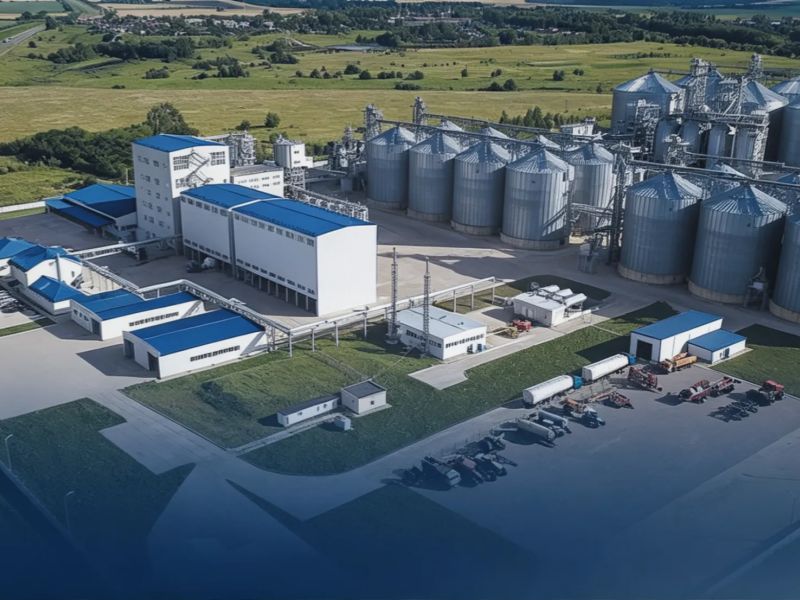
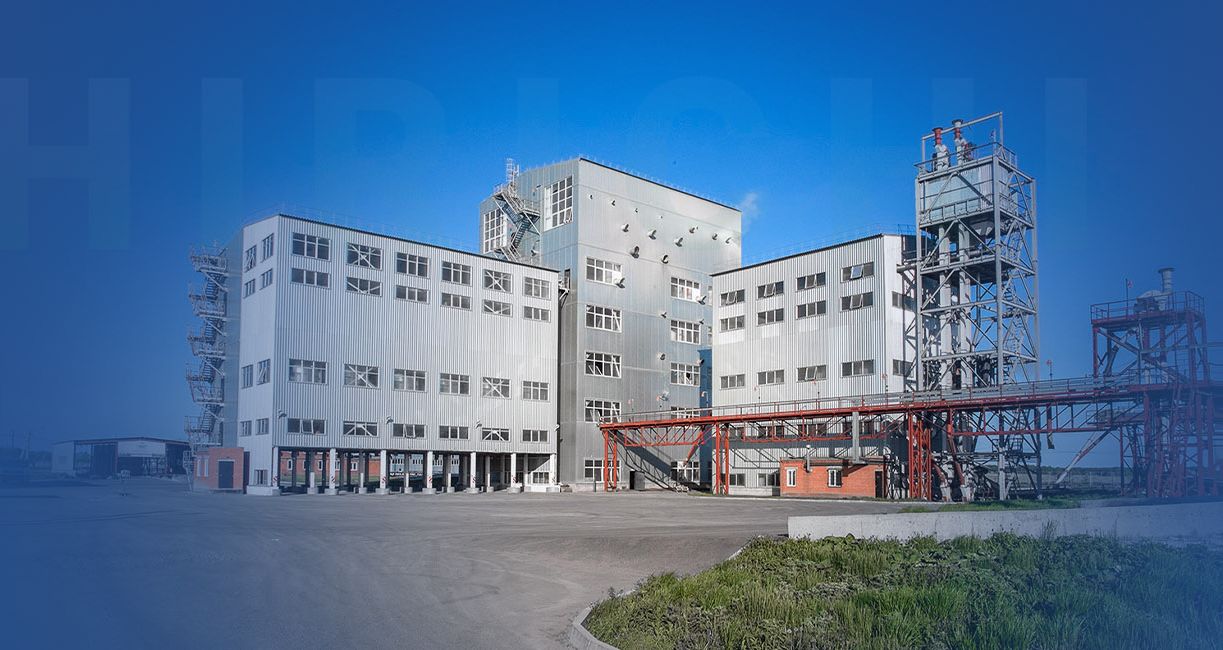
For businesses looking to expand production capacity, selecting the correct factory scale is essential. A 5-6 T/H aqua feed manufacturing plant for sale can provide a suitable solution for companies aiming to establish commercial-level production with reliable output.
The Importance of Flexible Feed Production
The aquaculture market is becoming increasingly diverse. Different regions and farming systems require different feed solutions.
For example:
- Fish farms may require floating pellets for surface-feeding species.
- Shrimp farms often need feed with specific water stability.
- Hatcheries require smaller pellet sizes suitable for young aquatic animals.
- Specialized farms may need customized nutritional formulas.
This diversity means feed manufacturers need equipment that can adapt to changing requirements.
Modern extrusion systems provide the flexibility needed to respond quickly to market trends. Manufacturers can adjust formulas and processing parameters without completely changing their production setup.
This ability creates competitive advantages for companies operating in the global aquatic feed market.
Choosing Experienced Partners for Feed Factory Development
Developing a successful feed factory requires technical knowledge, equipment experience, and careful project planning.
A professional supplier can help customers evaluate:
- Production capacity requirements
- Equipment configuration
- Factory layout
- Energy consumption
- Future expansion plans
Working with experienced manufacturers reduces risks during project implementation.
Professional companies provide not only machinery but also complete technical solutions. They understand different production environments and can recommend suitable systems according to customer goals.
Companies such as Richi machinery manufacture focus on providing customized processing solutions for feed production businesses worldwide.
From small-scale projects to large industrial factories, professional engineering support helps customers achieve more efficient and reliable operations.
Sustainable Development and the Future of Feed Technology
Sustainability is becoming one of the most important trends in aquaculture. The industry must continue increasing seafood production while reducing environmental pressure.
Advanced feed technology contributes to sustainability by improving resource efficiency.
Better pellet quality reduces feed waste. Improved digestibility reduces unnecessary nutrient release into water. More accurate production processes help manufacturers optimize ingredient usage.
At the same time, modern factories are becoming more energy-efficient through automation and intelligent management systems.
Businesses that invest in sustainable feed production technology can improve their market competitiveness while supporting responsible aquaculture development.
Those interested in learning more about current aquatic feed manufacturing trends and equipment solutions can top article to explore additional industry information and technical insights.
Future Trends in Aquatic Feed Manufacturing
The next generation of aquatic feed factories will focus on smarter, more efficient, and more sustainable production.
Important future trends include:
Intelligent Manufacturing
Digital monitoring and automation will help factories improve production control and reduce operating costs.
Customized Nutrition
Feed formulas will become more specialized according to species, growth stages, and farming conditions.
Sustainable Ingredients
Manufacturers will continue exploring alternative ingredients to support environmentally responsible production.
Energy-Efficient Processing
New equipment designs will focus on reducing energy consumption while maintaining high productivity.
These trends will continue to shape the development of the aquatic feed industry.
(Related Post: https://www.richipelletmill.com/fish-feed-processing-line/)
Conclusion
The future of aquaculture depends heavily on advanced feed solutions. High-quality feed improves farming efficiency, supports healthier aquatic environments, and helps businesses achieve sustainable growth.
Twin screw extrusion technology provides manufacturers with the flexibility and reliability needed to meet modern market demands. Combined with professional production planning and advanced equipment, it enables companies to build efficient and competitive feed manufacturing systems.
As global demand for aquatic products continues to rise, smarter feed production will become a foundation for the next generation of aquaculture development.