
The global demand for renewable energy and sustainable biomass solutions has grown rapidly over the past two decades. Among various biomass technologies, wood pelletizing has emerged as one of the most practical and scalable methods for converting raw wood materials into standardized, energy-dense fuel. As a result, the phrase wood pellet press for sale has become increasingly common across industrial manufacturing, agricultural processing, and renewable energy discussions.
A wood pellet press machine is not only a piece of industrial equipment; it represents a bridge between forestry resources, energy efficiency, and environmental responsibility. This article provides an encyclopedic overview of wood pellet presses, covering their origins, working principles, structural components, raw material compatibility, global applications, and their role in modern energy systems.
Historical Background of Wood Pellet Technology
The concept of compressing biomass into dense fuel dates back to the early 20th century, when sawdust briquetting was first explored in Europe. However, modern wood pellet technology gained momentum in the 1970s during the global energy crisis, as countries sought alternatives to fossil fuels.
Scandinavian nations, particularly Sweden and Finland, played a pioneering role in developing standardized wood pellets for residential heating and district energy systems. Over time, pellet fuel standards such as ENplus and DINplus were established, encouraging the widespread adoption of pellet presses in both small-scale and industrial operations.
Today, searching for a wood pellet press for sale is common not only in Europe but also in North America, Southeast Asia, and emerging biomass markets in Africa and South America.
What Is a Wood Pellet Press?
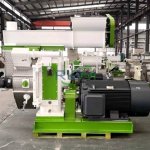
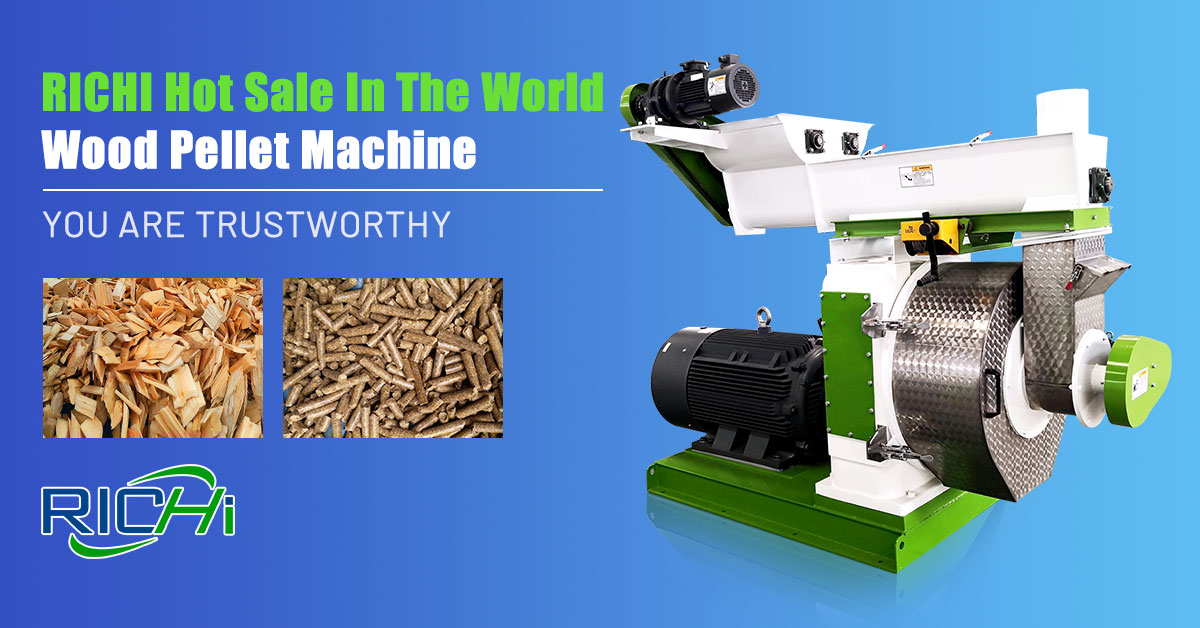
A wood pellet press is a mechanical device designed to compress finely processed wood materials into cylindrical pellets under high pressure. These pellets typically measure 6–12 mm in diameter and are widely used as biofuel or industrial feedstock.
Unlike loose biomass, wood pellets offer:
Higher bulk density
Uniform size and shape
Improved combustion efficiency
Easier storage and transportation
The pellet press is the core machine within a complete wood pellet production system, which may also include chipping, grinding, drying, cooling, and packaging equipment.
Structural Components of a Wood Pellet Press
Feeding System
The feeding system ensures a continuous and controlled supply of raw material into the pelletizing chamber. It often includes force-feeding devices to prevent material bridging and ensure consistent throughput. https://richipelletizer.com/pellet-mill-for-wood-pellets/
Ring Die or Flat Die Assembly
The die is the defining component of any pellet press. Ring die pellet presses dominate industrial applications due to their durability, high output, and stable operation. The die holes determine pellet diameter, compression ratio, and surface quality.
Roller Mechanism
Rollers rotate against the die surface, forcing biomass through the die holes under intense pressure. The material’s natural lignin softens during this process, acting as a binder.
Drive System
High-power motors and precision gearboxes supply the torque required for continuous pellet production. Industrial-grade presses are designed for long operational hours with minimal vibration.
Working Principle of Wood Pellet Presses
The pelletizing process relies on a combination of mechanical pressure, frictional heat, and material conditioning. Finely ground wood particles, typically with moisture content between 10% and 15%, are compressed through die holes.
As pressure increases:
Temperature rises due to friction
Lignin softens and binds particles together
Cylindrical pellets are formed and cut to length
This process requires no chemical additives when raw materials are properly prepared, making wood pellet production an environmentally friendly technology.
Raw Materials Suitable for Pelletizing
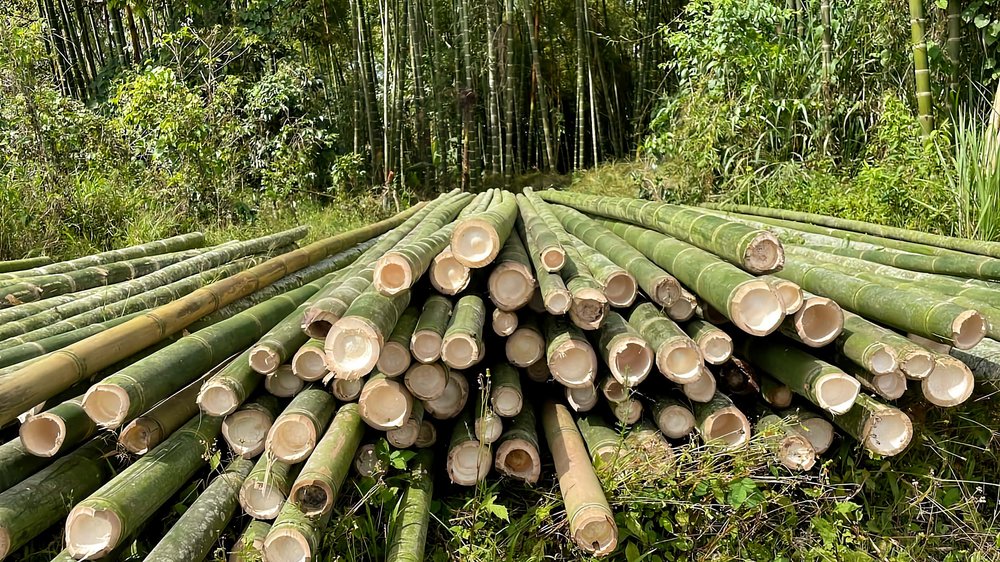
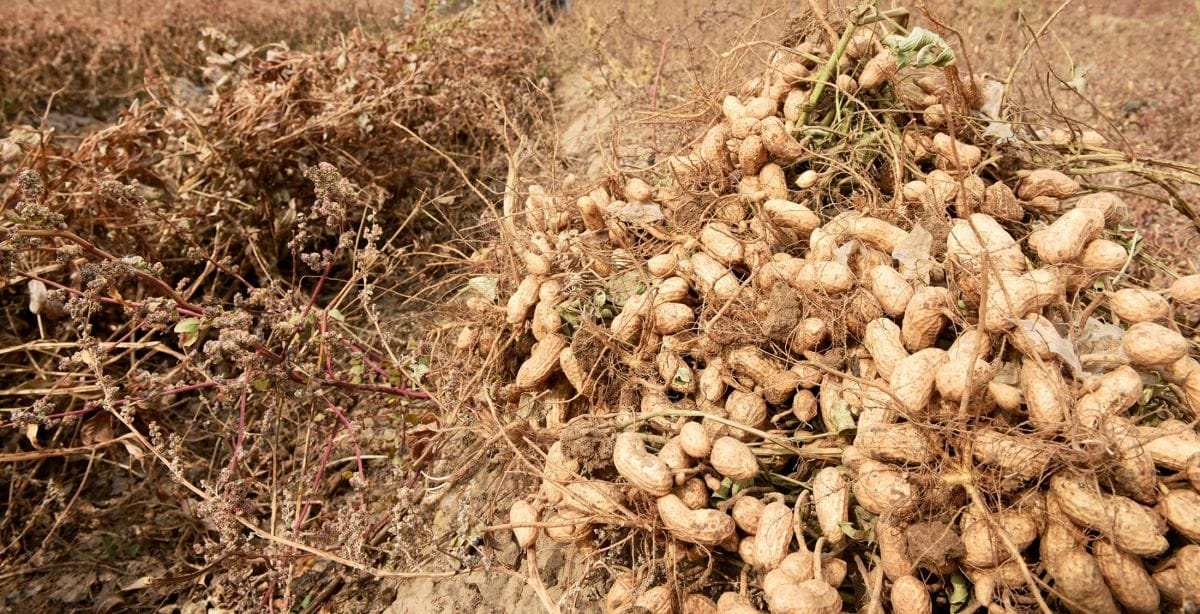
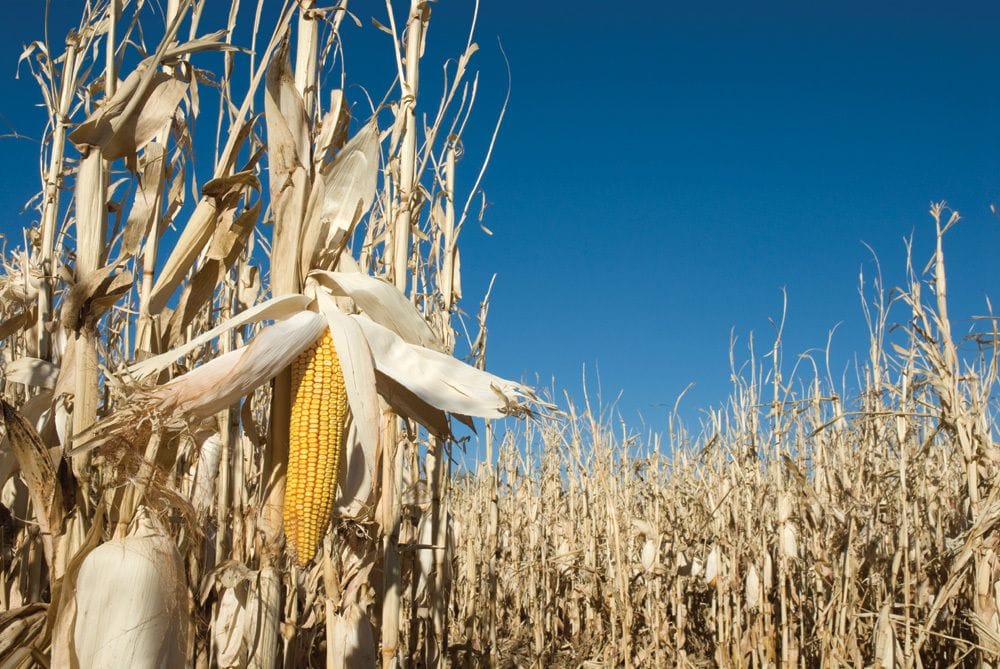
A major reason many operators search for a wood pellet press for sale is its wide material adaptability. Common raw materials include:
Sawdust from softwood and hardwood
Wood shavings and chips
Forestry residues
Furniture factory waste
Wood processing by-products
Material consistency and moisture control are critical factors influencing pellet quality and machine lifespan.
Industrial and Residential Applications
Residential Heating
Wood pellets are widely used in pellet stoves and boilers, especially in Europe and North America. Their standardized size allows automated feeding and stable combustion.
Industrial Energy
Large-scale biomass boilers and power plants rely on wood pellets for co-firing or full biomass operation, reducing carbon emissions.
Agricultural and Auxiliary Uses
In some regions, wood pellets are also used as animal bedding or absorbent material, demonstrating the versatility of pelletized wood. You could try this out
Global Market and Trade of Wood Pellet Presses
The global pellet machinery market has expanded alongside renewable energy policies and carbon reduction targets. Countries with abundant forestry resources have become major pellet producers and exporters.
Manufacturers offering a wood pellet press for sale range from small local workshops to internationally recognized equipment suppliers. Companies such as RICHI have contributed to the global pellet industry by providing standardized machinery solutions for diverse markets.
Environmental and Sustainability Considerations
Wood pellet production is often considered carbon-neutral when sourced from sustainably managed forests or waste biomass. Pellet presses play a critical role in reducing open burning, landfill waste, and fossil fuel dependence.
However, responsible sourcing and efficient processing are essential to ensure long-term environmental benefits.
Maintenance and Operational Longevity
A properly maintained pellet press can operate for many years. Key maintenance practices include:
Regular die and roller inspection
Lubrication of bearings and gear systems
Monitoring temperature and vibration
Timely replacement of wear parts
Industrial manufacturers such as RICHI Equipment emphasize durability and standardized components to support long-term equipment reliability without frequent downtime.
Factors Influencing Pellet Quality
Pellet quality is influenced by multiple variables:
Raw material particle size
Moisture content
Compression ratio
Die hole finish
Cooling efficiency
Operators investing in a wood pellet press for sale often focus on balancing output capacity with pellet durability and energy value.
Future Trends in Wood Pellet Press Technology
Technological development continues to improve pellet press efficiency and automation. Emerging trends include:
Energy-saving drive systems
Intelligent monitoring and control
Wear-resistant alloy materials
Modular production line design
As global biomass demand grows, pellet press technology will continue to evolve in response to energy policies and environmental standards.
Conclusion
A wood pellet press represents a vital technology within the modern biomass and renewable energy landscape. From its historical origins to its global industrial applications, pelletizing technology has proven to be both practical and sustainable.
For businesses and industries exploring a wood pellet press for sale, understanding the technology, materials, and market context is essential for informed investment decisions. With proper operation and responsible sourcing, wood pellet presses will remain a cornerstone of biomass utilization for decades to come. Commercial wood pellet machine for sale germany